Uncovering Urban Evolution
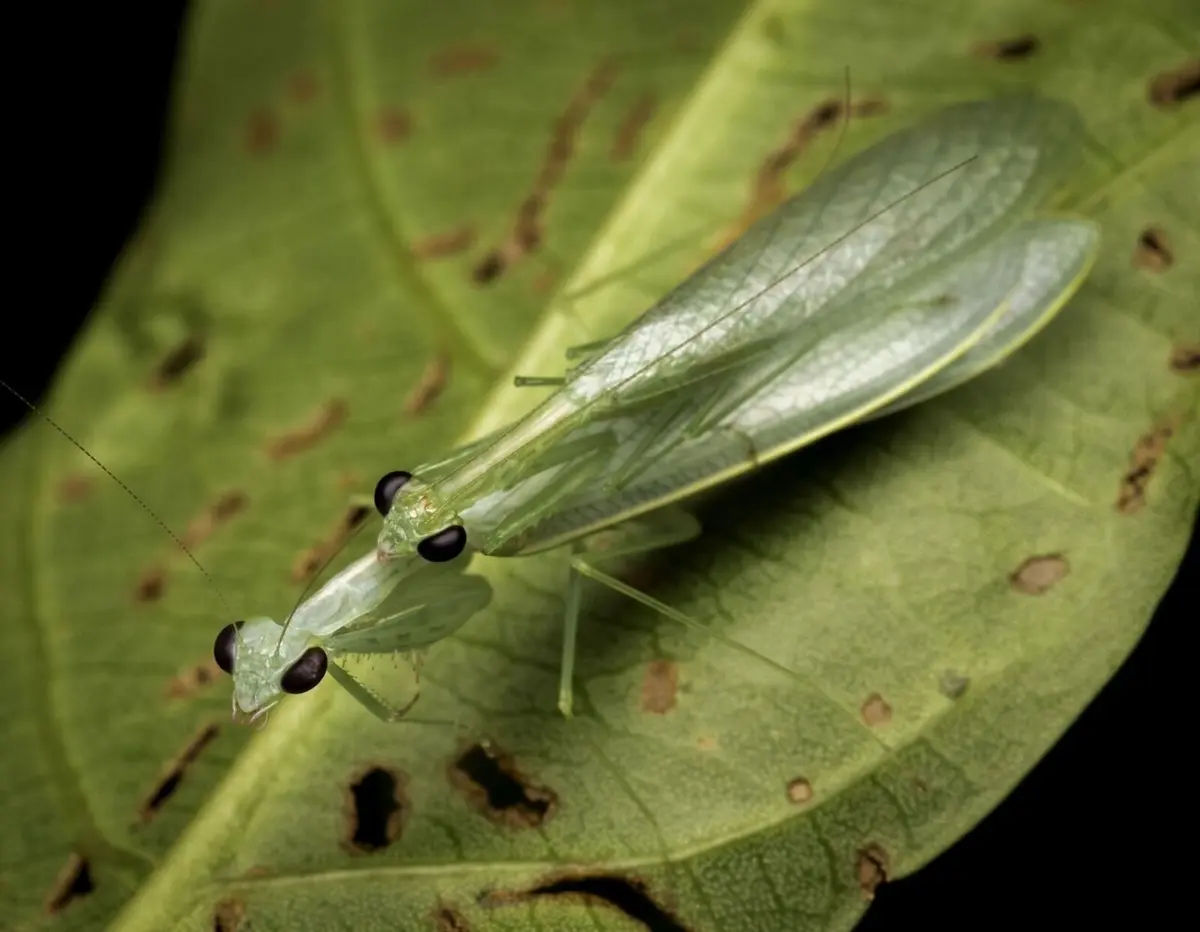
A team of researchers has recently identified three new species of leaf-plankingpraying mantises in urban environments. This discovery was made by scientists at James Cook University, highlighting the adaptability of these insects in city landscapes.
The newly identified mantis species exhibit unique behaviors and physical characteristics that allow them to blend seamlessly into their surroundings. By mimicking leaves and other foliage, these mantises can evade predators while waiting to ambush their prey. This camouflage strategy is particularly effective in urban settings, where greenery is often limited but still present.
The research team conducted extensive field studies in various urban areas, observing the mantises' behaviors and habitats. They noted that these insects are not just surviving but thriving in cities. Their ability to adapt to human-altered environments showcases the resilience of nature. The mantises were named based on their distinctive planking posture, which resembles leaves resting on branches.
How Do These Mantises Fit into Urban Ecosystems?
As urbanization continues to expand, understanding the ecological roles of these mantises becomes crucial. They serve as both predators and prey within their ecosystems, contributing to the balance of urban biodiversity. The study emphasizes the importance of preserving green spaces in cities to support such species.
The presence of these new mantis species in urban areas raises questions about their impact on local ecosystems. Researchers believe they could help control pest populations, benefiting both gardens and agricultural settings. Their hunting techniques and adaptability may also influence the dynamics of urban food webs.
The discovery of these mantises underscores the need for further research into urban biodiversity. As cities grow, understanding how species adapt to these environments can inform conservation efforts. It highlights the potential for urban areas to support diverse wildlife.
Frequently Asked Questions
In conclusion, the identification of these leaf-planking mantises illustrates the intricate relationships between urban development and natural ecosystems. Their adaptability offers insights into how species can thrive alongside human populations, emphasizing the importance of maintaining biodiversity in urban planning.
What are leaf-planking mantises? Leaf-planking mantises are a group of praying mantises that mimic leaves to blend into their environment. This adaptation helps them avoid predators and catch prey.
Why are these mantises important for urban ecosystems? These mantises play a role in controlling pest populations and maintaining the balance of urban biodiversity. Their presence can indicate a healthy ecosystem in city environments.