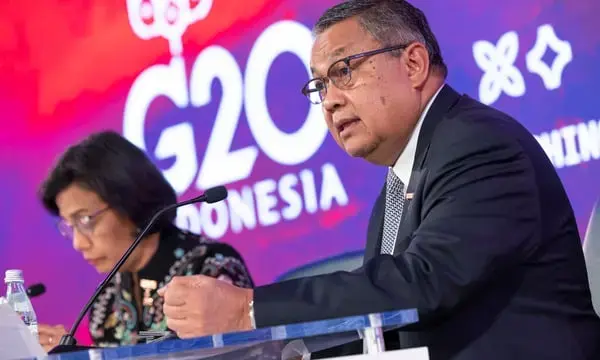
Market Turmoil After the Announcement
Perry Warjiyo, the governor of Indonesia’s central bank since 2018, announced his resignation on July 28, 2026, citing personal reasons. The unexpected move was made public in a brief statement to the media in Jakarta, prompting immediate reactions from investors and policymakers alike.
Warjiyo’s departure comes amid a period of tightening monetary policy and volatile currency markets. Analysts suggest the resignation may reflect internal pressures or strategic disagreements within the government. The central bank has been navigating inflation near the upper target range while supporting economic recovery after the pandemic. Warjiyo’s exit leaves a leadership vacuum at a critical juncture for Indonesia’s financial stability.
Indonesian bond yields spiked within hours of the news, with the 10-year government bond yield climbing 15 basis points. The rupiah slipped against the dollar, losing roughly 1.2 percent in early trading. Traders cited uncertainty over future policy direction as the primary driver of the volatility. „The market is reacting to the loss of a familiar figure who guided policy through challenging times,” said a senior analyst at a Jakarta brokerage.
Will Indonesia’s Central Bank Remain Independent?
The Indonesian Stock Exchange also felt the shock, with the IDX Composite index dropping 0.8 percent. Foreign investors, already cautious about emerging‑market risk, reassessed their exposure to the country’s assets. The central bank’s monetary policy committee is expected to meet next week, and market participants will watch closely for any signals of a policy shift.
The resignation raises questions about the political independence of Bank Indonesia. Critics argue that the governor’s departure could open the door for greater government influence over monetary decisions. Supporters counter that the institution’s legal framework guarantees autonomy, and that a new governor will be appointed through a transparent selection process.
Economists note that Indonesia’s central bank has a track record of resisting political pressure, especially during periods of fiscal expansion. However, the timing of Warjiyo’s exit—coinciding with upcoming budget discussions—intensifies scrutiny. „Maintaining credibility will depend on how swiftly and transparently the new appointment is handled,” remarked a professor of economics at a leading university.
The central bank’s ability to uphold its mandate will be a litmus test for Indonesia’s broader governance reforms. If the appointment process appears politically driven, investor confidence could erode further, complicating the country’s efforts to attract foreign capital.
Frequently Asked Questions
Why did Perry Warjiyo resign? Warjiyo cited personal reasons in his brief statement, but analysts suspect underlying pressures related to policy disagreements or political dynamics within the government.
How will the resignation affect Indonesia’s monetary policy? In the short term, policy decisions may be delayed as the central bank finalizes its leadership. Markets expect the existing policy framework to remain until a new governor is confirmed.
What steps can ensure the central bank’s independence moving forward? Transparent appointment procedures, adherence to legal safeguards, and clear communication from the bank can reinforce its autonomy and reassure investors.