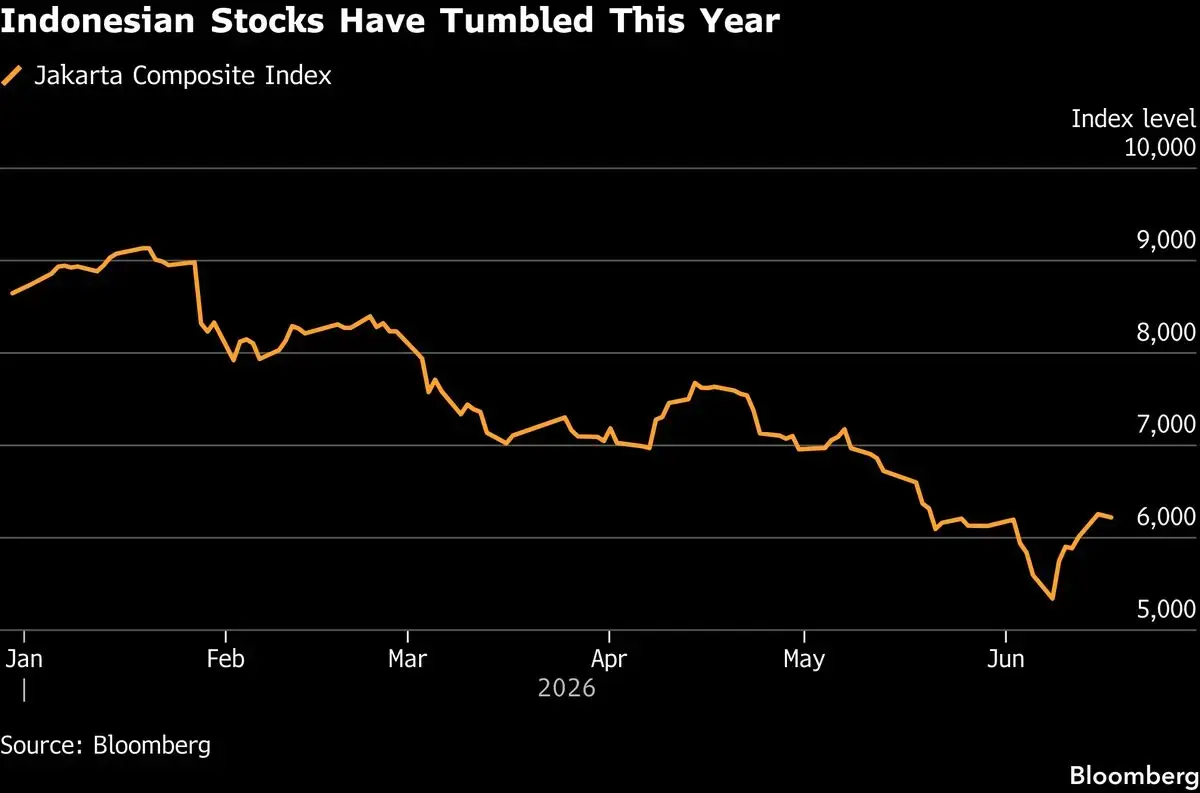
Deteriorating Transparency
Indonesian markets are experiencing a decline in information flow, according to MSCI Inc., a leading index provider, in its latest review. The issue is expected to be discussed ahead of a potential downgrade. MSCI assesses market accessibility annually.
MSCI's concerns stem from difficulties in accessing reliable and timely market information. This deterioration affects investors' ability to make informed decisions. The review is part of MSCI's annual assessment of market accessibility.
The lack of transparency in Indonesian markets is a significant issue. It hinders the flow of information, making it challenging for investors to assess the market accurately. MSCI's review highlights the need for improvement in this area.
Can Indonesia Reverse the Trend?
Indonesia's market accessibility has been a concern for investors in recent years. A downgrade by MSCI could further impact the country's attractiveness to foreign investors. The outcome of MSCI's review will be closely watched.
A potential downgrade may lead to decreased investor confidence and reduced capital inflows. The Indonesian government and financial regulators may need to address these concerns to maintain the country's market attractiveness.
Frequently Asked Questions
What is MSCI's role in assessing market accessibility? MSCI is a leading index provider that evaluates market accessibility annually. Its reviews help investors gauge the ease of investing in various markets.
What are the implications of a downgrade for Indonesia? A downgrade could lead to decreased investor confidence and reduced capital inflows. It may also impact the country's economic growth.
How can Indonesia address MSCI's concerns? Indonesia needs to improve market transparency and information flow. This can be achieved through regulatory reforms and enhanced disclosure requirements.