Protein supplements for youth: useful solution or commercial trap?
The market is flooded with products designed to attract young consumers. These include powdered drinks, snack bars, puddings, and fortified bread. Brands like Kindershake and Teen Balance position themselves explicitly toward adolescents, and the strategy appears to be working. A representative 2024 survey by the University of Michigan, which interviewed nearly 1,000 parents, revealed that almost half reported their children, aged 13 to 17, had consumed protein products in the previous year. Data showed boys were more likely to use these products, especially for sports or muscle building. Girls tended to choose them for dietary balance or weight loss.
From a market perspective, the statistics portal Statista recorded a significant increase in retail revenue for fitness-oriented protein products in Germany, with an approximate 25% jump between March 2024 and March 2025. But how much protein do we actually need? Proteins are essential building blocks for metabolism. They play a crucial role in forming and repairing tissues in muscles, skin, and organs. Proteins also form the basis of enzymes that regulate chemical reactions in the body and of antibodies vital for the immune system.
Can overfeeding protein be dangerous?
According to the German Nutrition Society (DGE), healthy adults should consume 0.8 grams of protein per day for each kilogram of body weight. For example, a woman weighing 65 kilograms should take 52 grams of protein daily. However, special products are not necessary to reach this target. A serving of oatmeal with almond milk for breakfast, a baked potato with cottage cheese for lunch, and two slices of whole-grain bread with peanut butter for dinner are sufficient to meet the requirement.
Proteins support muscle building and weight loss
For youth who are still growing, the requirement is slightly higher: 0.9 grams of protein per kilogram of body weight. A 45-kilogram adolescent should consume 40.5 grams of protein per day. For people over 65 and children between one and four years old, the requirement rises to one gram per kilogram. Older people tend to eat too little protein, often due to decreased appetite. Moreover, a study conducted in Germany between 2015 and 2017 revealed that children and young people there often consume too much protein. About half of those aged 6 to 17 exceeded double the recommended daily amount.
According to DGE, excess protein can be harmful in the long term. Various studies indicate that children who consume too much protein, especially of animal origin, often become overweight and may enter puberty earlier. Excessive protein can also overwork the kidneys, causing damage. Kidneys must convert amino acids, the building blocks of proteins, into urea before excretion through urine. The risk of damage is higher if a person drinks too few liquids or has pre-existing kidney damage. Adolescents are also in a high-risk group.
Is animal protein superior to plant protein?
Protein needs increase for very physically active people. According to a DGE position paper, proteins can help maintain or build muscle mass and strength, and support recovery after exertion. The paper specifies that athletes should consume between 1.2 and 2 grams of protein per kilogram, divided into multiple portions throughout the day. These recommendations apply only to people who train more than five hours per day.
Proteins are also of interest for those who want to lose weight, as they efficiently satiate hunger. A protein-rich diet usually leads to greater weight loss compared to other diets. In the long term, however, the most important question is: how many calories do we consume and how many do we burn?
What is said negatively about protein products?
Generally, plant proteins often contain fewer essential amino acids than animal proteins. Essentialmeans the body cannot synthesize them alone and must obtain them from food. However, whole-grain products, legumes, and nuts are rich in fiber, vitamins, and unsaturated fats, all beneficial for health. Therefore, DGE recommends covering protein needs primarily from plant sources.
„High in protein”= higher price
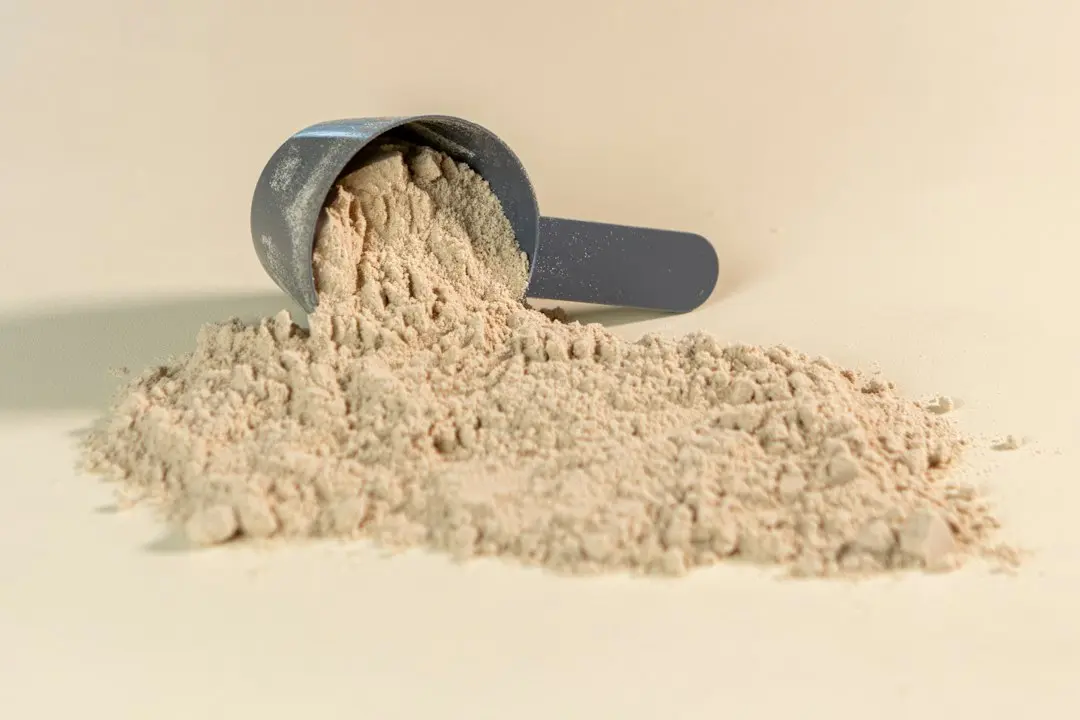
Protein powders and bars are often fortified not only with vitamins and minerals, but also with less useful ingredients like sweeteners, sugar, additives, and flavors. The University of Sport in Cologne even found doping substances in protein products marketed for muscle building. Adolescents may experience an unpleasant side effect from consuming protein powders. These usually consist of milk proteins. There are several ways milk proteins can increase skin sebum production, triggering or worsening acne, although a direct link between protein products and acne has not yet been definitively proven. Experts are also skeptical of protein shakes, fearing they may cause young people to eat less regular food, thereby reducing intake of fiber, micronutrients, and healthy fats.
Protein-fortified food is usually expensive. A 2022 study by consumer organizations found that foods with naturally high protein content, such as cheese, cured meats,