Coal‑to‑Chemicals Strategy Gains Momentum
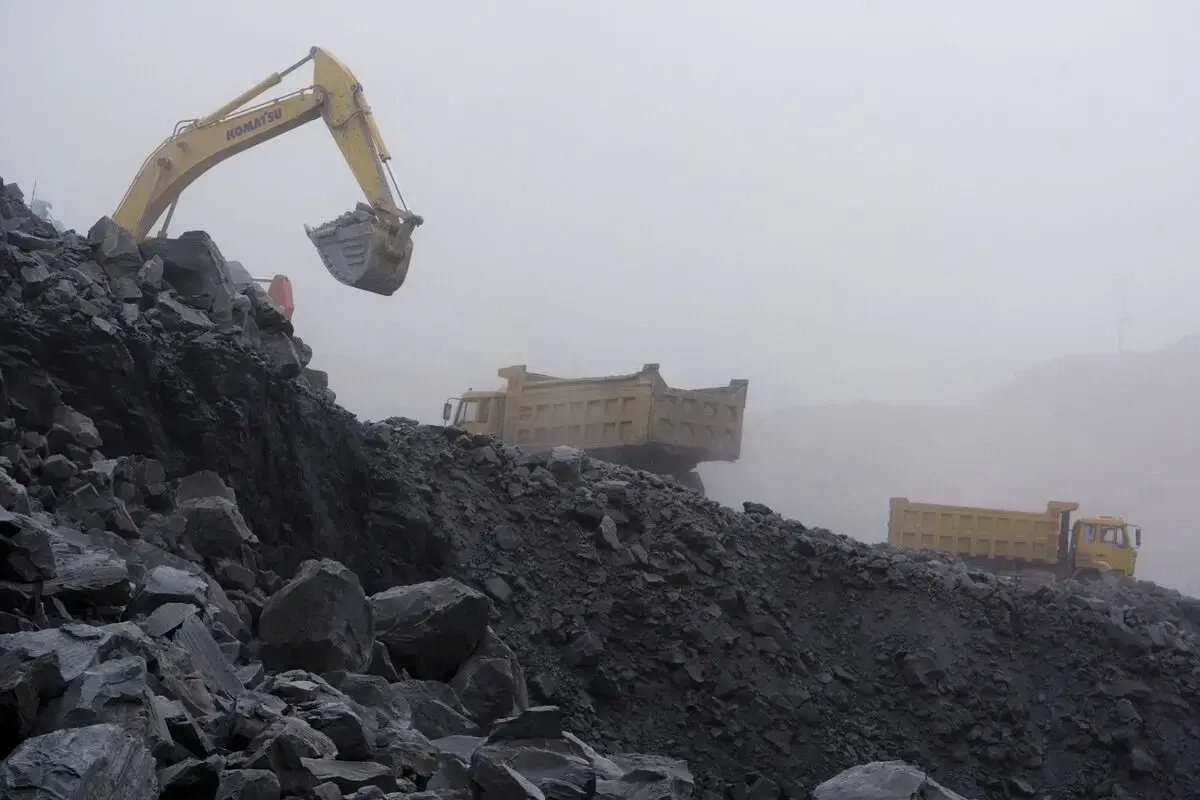
China’s Shanxi province, a leading coal producer, announced in March 2024 a plan to expand coal‑chemical facilities. The initiative aims to convert coal into fuels and petrochemicals, reducing reliance on imported oil and gas. Officials say the move will protect the nation’s energy supply amid global market volatility.
The strategy follows years of tightening energy imports and rising prices for crude oil and natural gas. By leveraging abundant domestic coal, Shanxi hopes to create a self‑sufficient supply chain for synthetic gasoline, diesel, and aromatics. The provincial government will allocate more than 200 billion yuan over the next five years to upgrade existing mines and build new processing plants. The plan also includes stricter environmental controls and the adoption of cleaner conversion technologies to meet national emission targets.
State‑owned Shanxi Energy Group, the region’s biggest coal operator, unveiled a roadmap to add 30 million tonnes of coal‑derived chemicals by 2029. „We are turning a traditional resource into a modern energy solution,” said Liu Wei, the group’s chairman, at a press conference. The new facilities will employ gasification and Fischer‑Tropsch processes, turning coal into liquid fuels and high‑value chemicals such as methanol and ethylene.
Will Coal Chemicals Really Secure China’s Energy Future?
Early pilots have already shown promising yields. A pilot plant in Datong produced 1.2 million tonnes of synthetic diesel last year, cutting the province’s diesel imports by 15 percent. The government expects the expanded capacity to offset about 10 percent of China’s total oil consumption, according to a recent Ministry of Energy report.
Critics argue that scaling coal‑chemical production may clash with China’s carbon‑neutral goals. Environmental groups warn that even with cleaner technologies, coal conversion still releases significant CO₂. In response, the provincial authorities pledged to pair each new plant with carbon‑capture units, targeting a 30 percent reduction in emissions per unit of output.
Economists note that the venture could lock the region into a long‑term reliance on coal, potentially delaying investments in renewable energy. However, supporters contend that a diversified energy mix, including coal‑based synthetics, offers a pragmatic buffer while wind and solar capacities ramp up. The balance between short‑term security and long‑term sustainability will shape policy debates in the coming years.
If the plan succeeds, Shanxi could become a hub for low‑cost, domestically produced fuels, shielding China from external shocks. Failure, however, may deepen environmental concerns and strain the nation’s climate commitments. The next five years will test whether coal‑derived chemicals can deliver on their promise without compromising greener ambitions.
Frequently Asked Questions
What are coal chemicals? Coal chemicals are fuels and petrochemicals produced by converting coal through processes like gasification and Fischer‑Tropsch synthesis. They include synthetic diesel, gasoline, methanol, and ethylene.
How will the expansion affect China’s oil imports? Projections suggest the new capacity could cut oil imports by roughly 10 percent, easing pressure on the trade balance and reducing exposure to volatile global oil prices.
Will the new plants meet environmental standards? The provincial plan mandates carbon‑capture technology for each plant, aiming for a 30 percent emission reduction compared with traditional coal‑to‑fuel methods. Ongoing monitoring will determine compliance.