The Double-Edged Sword of Chip Dominance
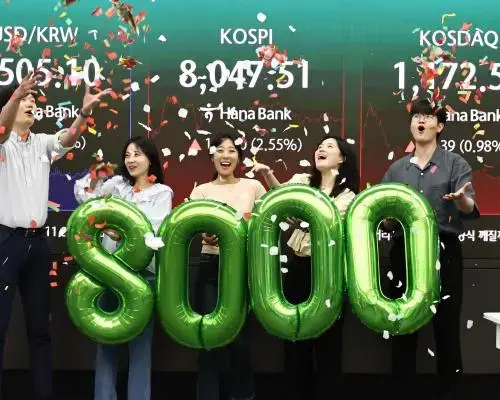
South Korea’s stock market recently surpassed India to become the world’s sixth largest. This growth is driven by strong performance in the technology sector, specifically chip manufacturing. The Kospi index has reached record highs, outpacing major European markets. This happened within the last week.
The Kospi’s impressive climb is largely attributed to the success of two companies: SK Hynix and Samsung Electronics. Both have recently achieved trillion-dollar valuations. This makes South Korea a major player in the global equity landscape, exceeding the size of markets in the UK, Germany, and France. However, analysts are beginning to question the sustainability of this rapid growth.
The reliance on just two companies for such a significant portion of market value presents a risk. SK Hynix joined the trillion-dollar club last week, following Samsung. This concentration raises concerns about potential volatility. A downturn in the chip industry could disproportionately affect the Kospi index. Some experts believe this creates an unbalanced market.
Is This Growth Sustainable?
The current boom is directly linked to the increasing demand for semiconductors. Artificial intelligence applications are a major driver. These chips are essential for AI development and deployment. This demand has boosted the financial performance of Korean chipmakers. It’s a situation where market success is tied to a single, albeit crucial, industry.
The question isn’t whether the chip industry is currently thriving, but whether this can continue. Market observers are wary of a potential bubble. They point to the historical cyclicality of the semiconductor market. Periods of high demand are often followed by oversupply and price declines. This could quickly erase the gains seen in the Kospi.
The concentration of market capitalization in two companies also limits diversification. It makes the Kospi vulnerable to company-specific risks. Any negative news regarding SK Hynix or Samsung could trigger a significant market correction. Investors are closely monitoring these developments. They are assessing the long-term implications for the Korean economy.
Frequently Asked Questions
What does this mean for international investors? International investors are increasingly drawn to the South Korean market. The potential for high returns in the technology sector is attractive. However, they should be aware of the risks associated with the market’s concentration.
How does this compare to other major markets? Unlike the US or China, where market growth is spread across multiple sectors, South Korea’s is heavily reliant on chips. This makes it more susceptible to industry-specific shocks. It differs significantly from the more diversified European markets.
Could government intervention help stabilize the market? The South Korean government could encourage diversification within the economy. Policies supporting other industries could reduce the reliance on chip manufacturing. This would create a more balanced and resilient market.