Navigating Global Energy Volatility
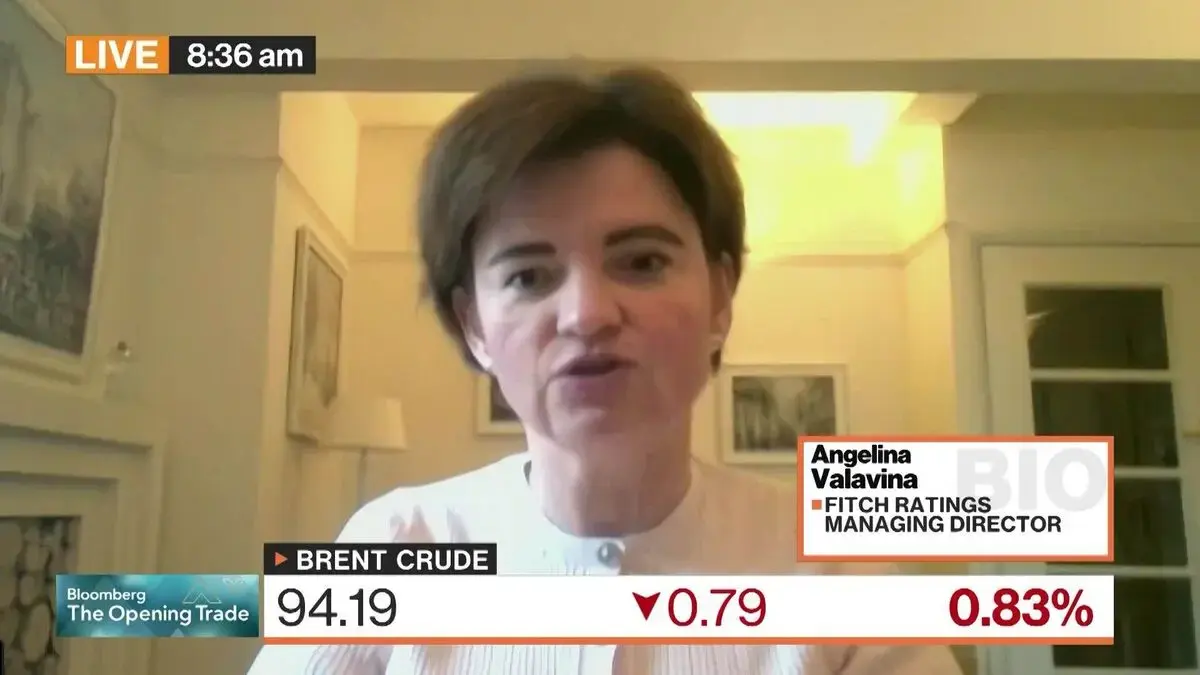
Global energy markets are bracing for a potential shift as international analysts project the Strait of Hormuz will reopen to standard maritime traffic by July 2026. Fitch Ratings official Angelina Valavina confirmed this timeline during a recent broadcast, noting that the firm has integrated this assumption into its current oil market forecasts.
The Strait remains a critical artery for global petroleum shipments. Any disruption to this waterway creates immediate volatility in crude prices and supply chain logistics. Analysts are closely monitoring the situation as the July deadline approaches, aiming to gauge how quickly tanker traffic can return to pre-closure volumes once restrictions are lifted.
The closure of this maritime chokepoint has forced energy producers and importers to seek alternative routes. These detours often increase shipping costs and extend delivery times significantly. Fitch Ratings maintains that the return of normal operations is a key variable in stabilizing the broader energy sector.
Will Market Stability Return After the Reopening?
Market participants are currently adjusting their strategies to account for the expected influx of supply. If the passage reopens as scheduled, it could alleviate some of the upward pressure on oil prices observed throughout the disruption. However, the speed of the recovery remains dependent on regional stability and maritime safety protocols.
While the reopening of the Strait is a positive development, long-term market stability is not guaranteed. Traders remain cautious, watching for any secondary geopolitical tensions that might affect shipping lanes. The energy industry will likely keep a close eye on insurance premiums and security measures for vessels traversing the region throughout the summer.
Economic observers expect that a successful reopening will provide much-needed relief to global supply chains. If the transition goes smoothly, the energy market may see a period of price correction. Conversely, any further delays could lead to sustained uncertainty for global importers and industrial consumers alike.
Frequently Asked Questions
What is the significance of the Strait of Hormuz? It is one of the world's most vital oil transit chokepoints. A large percentage of global petroleum production passes through this narrow passage daily.
Why is the July reopening date important for oil prices? The reopening is expected to restore standard shipping routes and supply flows. Analysts believe this will help stabilize market volatility and reduce current delivery costs.
Is the reopening date guaranteed? The date is an assumption based on current market analysis and projections. It remains subject to change based on evolving geopolitical conditions and maritime security developments.