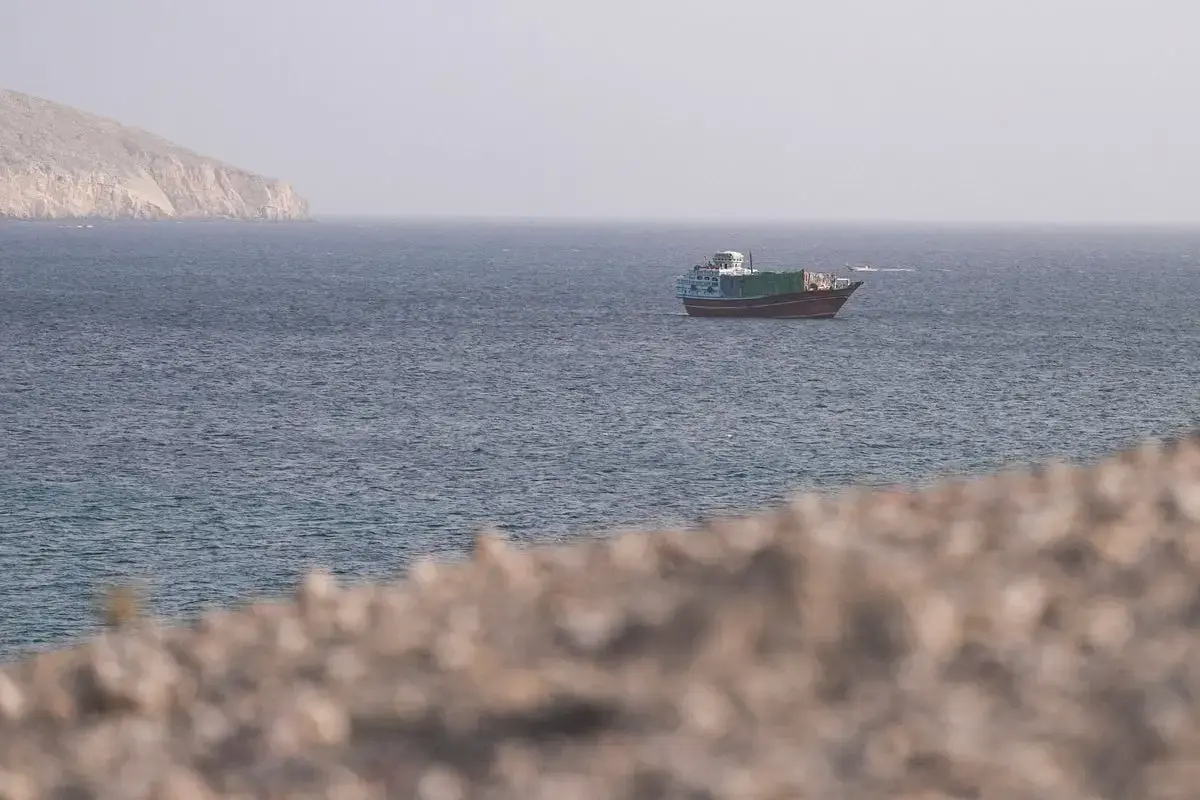
Escalating Tensions Threaten Global Supply Lines
Shipping activity in the Strait of Hormuz has plummeted by half in the past week. This dramatic drop follows increased tensions and military actions between the United States and Iran. The crucial waterway, vital for global oil shipments, has once again become a flashpoint, causing significant market instability.
Oil prices have surged in response to the crisis. This reflects widespread concern over disruptions to the flow of crude oil. The strait is a narrow passage connecting the Persian Gulf to the open ocean.
What Are the Economic Repercussions of This Standoff?
The recent escalation began with a series of military maneuvers by both nations. The US increased its naval presence, while Iran conducted missile tests. These actions have created a highly volatile environment. Tanker operators are now hesitant to navigate the strait. Insurance costs for ships passing through have also skyrocketed. This makes transit financially unfeasible for many.
# Why is the Strait of Hormuz so important?
The immediate economic impact is evident in the energy markets. Higher oil prices directly affect consumers and industries worldwide. Prolonged disruption could lead to severe economic downturns. Many countries depend heavily on oil transported through this strait. Alternative shipping routes are limited and much more expensive. This situation poses a significant challenge to global economic stability.
# How does this affect global oil prices?
The Strait of Hormuz is a critical chokepoint for global oil transit. A large percentage of the world's seaborne oil passes through this narrow waterway daily. Any disruption there has immediate and far-reaching effects on energy markets.
When traffic through the Strait of Hormuz is threatened or reduced, the supply of oil becomes uncertain. This scarcity drives up crude oil prices on international markets. Consumers then typically see higher prices at the pump.