The Future of Land Use
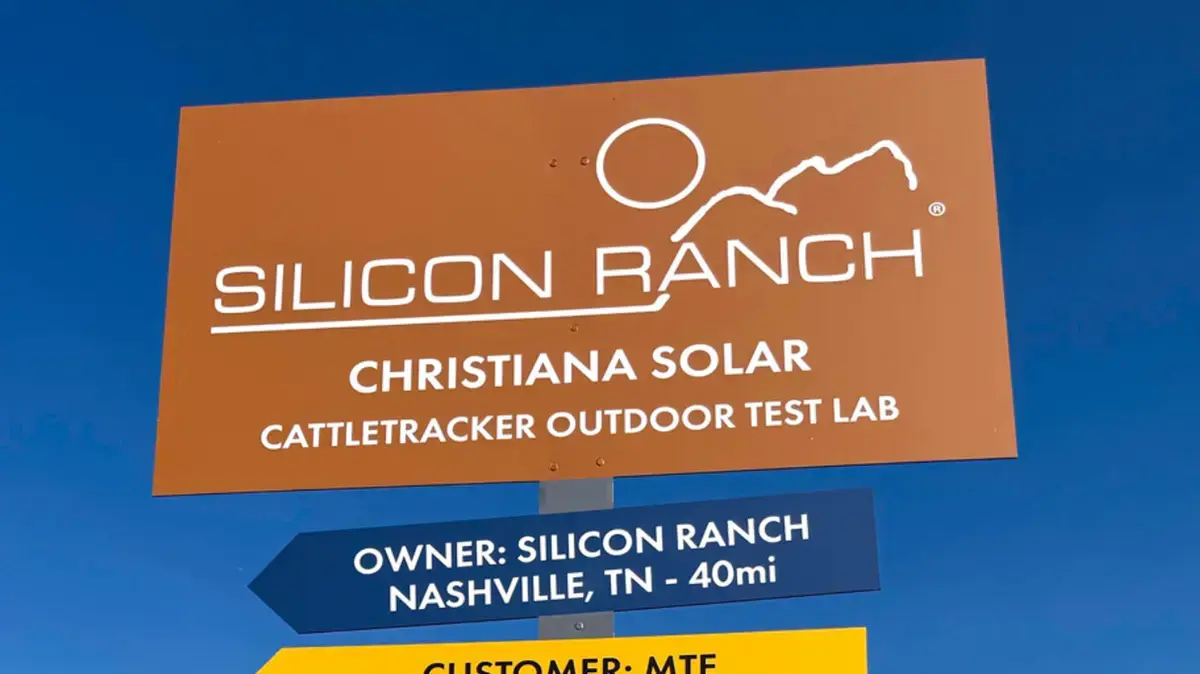
A Tennessee solar farm is experimenting with a new concept. It's located beneath solar panels and is changing things. The farm is trying something new and it's happening now.
This new concept is called agrivoltaics. It's also known as dual-use solar. The practice involves using land for both solar panels and other purposes. A company is behind this experiment. They want to see if it can work on a large scale.
Can Solar Farms Feed Us Too?
Agrivoltaics is a new term for many people. But it could become more common soon. The idea is to use land in a more efficient way. This means generating energy and doing other things on the same land. It's an innovative approach to land use.
The experiment in Tennessee is showing promise. It could change the way we think about solar farms. The company behind the project is learning a lot. They're figuring out how to make agrivoltaics work.
The question is, can solar farms produce food as well as energy? The answer is yes, according to the Tennessee experiment. The project is using the land beneath the solar panels for other purposes. This includes growing crops and raising animals. It's a new way of thinking about solar farms. They don't just have to generate energy.
Frequently Asked Questions
The consequences of this experiment are significant. If it works, it could change the way we use land. We could see more solar farms being used for multiple purposes. This would make them more efficient and productive.
What is agrivoltaics? Agrivoltaics is a practice that involves using land for both solar panels and other purposes. How does it work? The idea is to use the land beneath the solar panels for other things, like growing crops or raising animals. Is it effective? The experiment in Tennessee is showing promise, and it could become a new way of thinking about solar farms.