The Financial Squeeze on Small Producers
For generations, the family farm has served as a cornerstone of the American landscape and cultural identity. Today, these small-scale agricultural operations face unprecedented economic pressures that threaten their long-term viability. Across the United States, rising costs and shifting market dynamics are forcing many multi-generational families to reconsider their future in the industry.
Modern agriculture requires significant capital investment to remain competitive in a globalized market. Small farms often struggle to match the economies of scale achieved by massive corporate operations. As input costs for fuel, fertilizer, and advanced machinery climb, profit margins continue to shrink. Many families find themselves caught between the desire to preserve their heritage and the harsh reality of mounting debt.
Consolidation within the agricultural sector has fundamentally altered how food is produced and distributed. Large firms frequently dictate prices, leaving independent farmers with little leverage to negotiate fair returns for their harvests. This imbalance makes it increasingly difficult for smaller entities to cover their overhead expenses.
Can Traditional Farming Methods Endure the Modern Market?
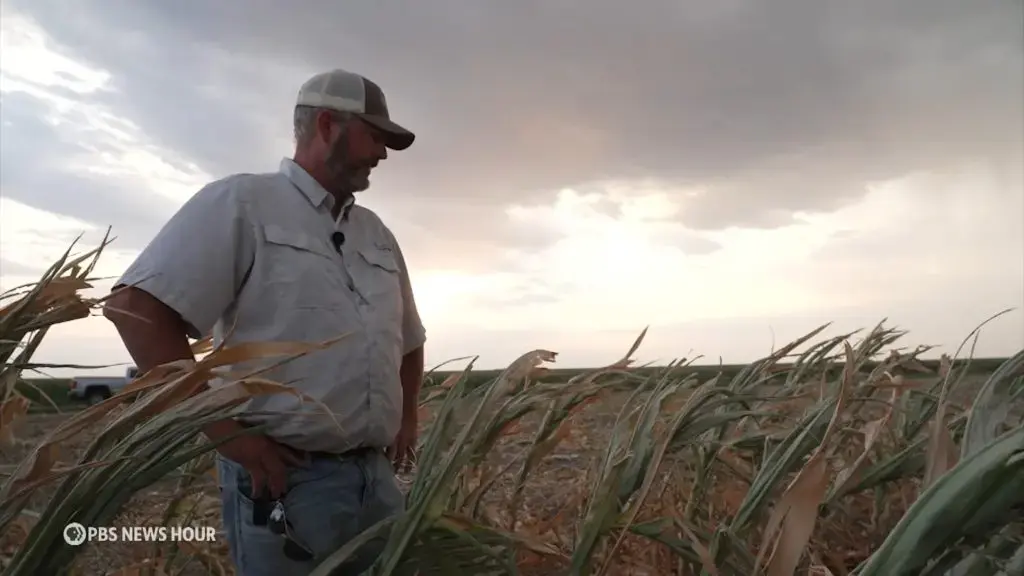
Furthermore, extreme weather events and climate instability have introduced new layers of risk for those working the land. Crop failures can be devastating for a family business that lacks the financial cushion of a major corporation. Without consistent revenue, many farmers are forced to seek supplemental income off-farm just to keep their operations running.
The path forward for family farms remains uncertain as the demographic of the American farmer shifts. Many younger generations are choosing to pursue careers outside of agriculture due to the financial instability and physical demands of the lifestyle. This lack of succession planning threatens to end the legacy of thousands of family-owned plots.
Frequently Asked Questions
Without policy interventions or significant changes in market structures, the decline of the family farm seems likely to continue. The loss of these operations represents more than just an economic shift; it marks the disappearance of a vital social fabric in rural communities. The survival of this way of life depends on whether the market can find a way to value small-scale sustainability over sheer volume.
Why is it harder for small farms to compete today? Small farms lack the massive scale of corporate operations, making it difficult to absorb rising costs for equipment and supplies. They often have less bargaining power when selling their goods to large distributors.
Is there a future for the next generation of farmers? Succession is currently a major hurdle as many young people avoid the industry due to financial risks. Unless economic conditions improve, many families may be forced to sell their land rather than pass it down.