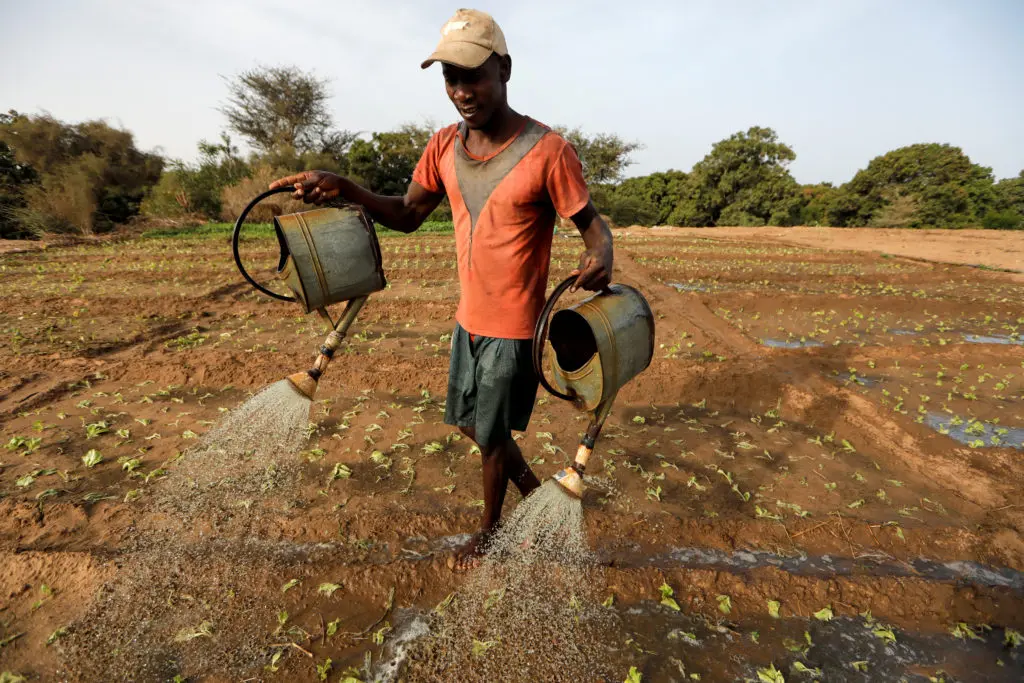
Rising Costs Prompt Search for Solutions
Farmers worldwide are feeling the impact of soaring fertilizer costs, which have surged by 40% since the onset of the Iran war on February 28. This increase has prompted many agricultural producers to seek alternative solutions to maintain their crops and livelihoods.
The conflict in Iran has disrupted supply chains and intensified global market pressures. Fertilizer, a critical component for crop production, has become increasingly expensive, forcing farmers to reconsider their reliance on traditional products. Many are now investigating organic options, local resources, and innovative practices to mitigate the financial strain.
The spike in fertilizer prices has left many farmers scrambling. In regions heavily dependent on imported fertilizers, the situation is particularly dire. For instance, a farmer in the Midwest reported spending nearly $1,000 more per ton compared to last year. This financial burden is not sustainable for many, as profit margins shrink.
Can Innovation Offset Rising Fertilizer Prices?
In response, some farmers are turning to composting and natural fertilizers, which can be less costly and more environmentally friendly. Others are experimenting with crop rotation and cover cropping techniques to enhance soil fertility without relying on synthetic inputs. These methods not only reduce costs but also promote sustainable farming practices.
As farmers adapt to these challenges, the agricultural community is also looking toward innovation. Research institutions are exploring new fertilizers that are less dependent on volatile global markets. Additionally, technology in precision agriculture is helping farmers optimize fertilizer use, reducing waste and costs.
However, transitioning to alternative methods takes time and investment, which can be difficult for farmers facing immediate financial pressures. Many are concerned about the potential impact on crop yields and food security as they navigate these changes.
The rising costs of fertilizers due to the Iran war have significant implications for the agricultural sector. As farmers experiment with alternatives, the long-term effects on crop production and food prices remain uncertain. The situation calls for increased support for farmers to adapt to these challenges sustainably.
Frequently Asked Questions
Why have fertilizer prices increased so much? The conflict in Iran has disrupted supply chains and created market instability, leading to a significant rise in fertilizer prices.
What alternatives are farmers considering? Farmers are exploring organic fertilizers, composting, and innovative farming practices to reduce reliance on costly synthetic fertilizers.
How might this situation affect food prices? If farmers cannot maintain crop yields due to rising costs, food prices may increase, impacting consumers and food security globally.