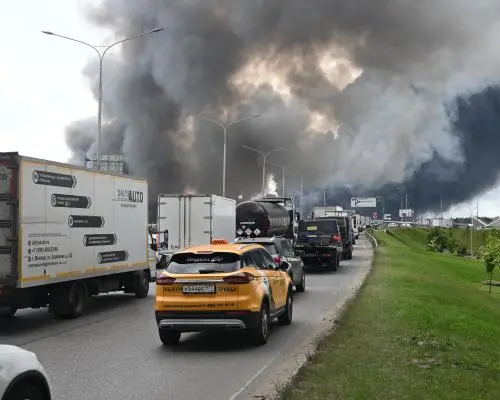
Strategic Targeting of Refinery Hubs Across the Russian Heartland
Kyiv’s defence ministry says Ukrainian missiles have destroyed more than 50 percent of Russia’s oil‑refining plants, from the outskirts of Moscow to facilities in Siberia. The attacks, carried out over the past months, have reportedly limited Moscow’s ability to fuel its military operations in the ongoing war.
The Ukrainian military says the campaign targets key refineries that supply both civilian markets and the armed forces. By striking pipelines, storage tanks and processing units, Kyiv aims to weaken Russia’s war economy and create shortages that pressure the Kremlin. Analysts note that the strikes coincide with a broader strategy of hitting logistical hubs, disrupting fuel shipments and inflating prices inside Russia. The Kremlin has blamed „foreign sabotage” and vowed retaliation, while Russian officials claim the damage is overstated.
Ukrainian forces have employed long‑range cruise missiles and unmanned aerial systems to reach sites previously considered out of reach. According to Kyiv, hits on the Ryazan, Omsk and Khabarovsk refineries have halted production at several plants, cutting the nation’s total refining capacity by roughly 30 million tonnes per year. The loss forces Russia to import more crude oil and rely on aging facilities, stretching its logistics chain.
Can Russia Recover Its Refining Output Quickly?
Energy experts say the reduction in refined fuel has already triggered fuel queues in major Russian cities and forced the government to impose temporary rationing. „When you cannot get diesel to the front lines, you limit the mobility of armored units,” said a senior analyst at a European think‑tank. The Ukrainian leadership argues that the campaign is designed to make the war more costly for Moscow, both financially and militarily.
Russian officials claim they are mobilising emergency repair crews and redirecting output from less‑damaged plants. However, rebuilding complex refinery infrastructure can take months, if not years. The loss of specialized equipment and the need for skilled technicians further slow recovery. Some regional governors have warned of prolonged fuel shortages that could affect civilian life and industrial production.
If Russia cannot restore its refining capacity soon, the shortage may force the Kremlin to seek alternative fuel sources, potentially increasing reliance on foreign oil markets and weakening its bargaining power in global energy negotiations. The ongoing strikes also raise the risk of accidental spills or fires, which could exacerbate environmental damage and public discontent.
Frequently Asked Questions
How many refineries has Ukraine reportedly damaged? Kyiv says strikes have hit at least eight major refineries, disabling more than half of Russia’s total refining capability.
What impact does the reduced refining capacity have on Russian military operations? Fuel shortages limit the ability to move troops, tanks and aircraft, forcing the Russian military to prioritize certain fronts and conserve resources.
Is Russia able to import enough refined fuel to offset the losses? Importing refined products is costly and logistically challenging; while Russia can increase crude imports, turning them into usable fuel requires functional refineries, which remain scarce.