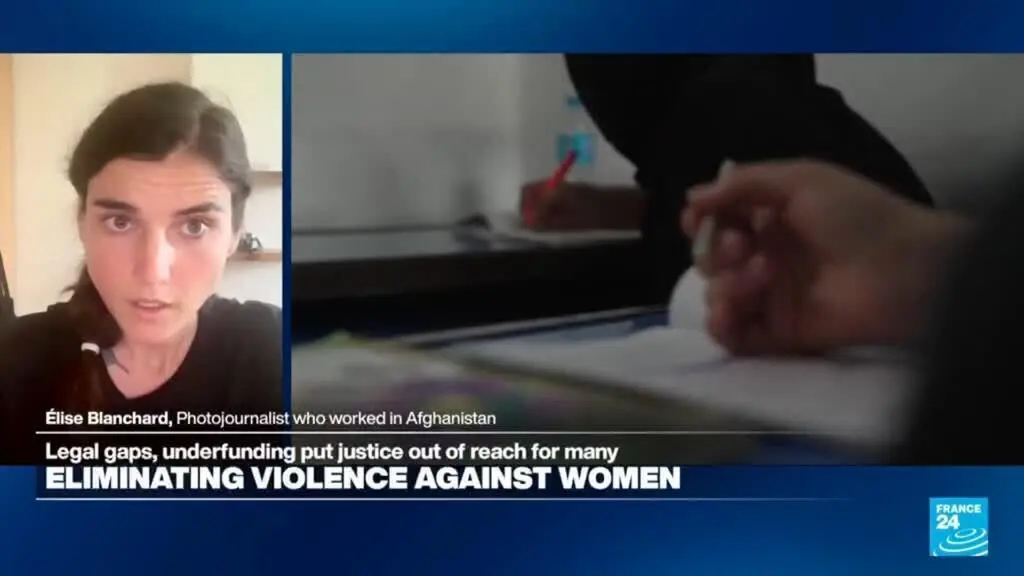
Funding Shortfall Strains Women's Health Services
Funding for Afghanistan has dropped sharply, directly limiting the healthcare services available to women in the country. The reduction in aid has created new barriers to medical care, affecting one of the most vulnerable populations in the region.
The decline in financial support has forced health facilities to scale back operations. Women now face longer wait times and fewer treatment options. Local clinics report that essential services are being trimmed to match the reduced budgets.
The Taliban government has struggled to maintain health infrastructure without international support. Women's access to reproductive healthcare, prenatal checkups, and chronic disease management has deteriorated. Health workers describe a system operating at reduced capacity.
What Does This Mean for Women's Health Outcomes?
The cuts affect both public and private clinics. Many facilities have had to prioritize the most critical care, leaving elective and preventive services underfunded. Women in rural areas are hit hardest, as transport to distant hospitals becomes costlier with fewer subsidized options.
Reduced aid translates into measurable health impacts. Maternal mortality rates have risen in areas where clinics have closed or reduced hours. Women with chronic conditions report difficulty accessing medications and specialist care.
The situation is compounded by the Taliban's restrictions on women's movement and employment. Many women must rely on male guardians to accompany them to medical appointments, adding logistical hurdles. Health advocates warn that the funding gap will widen if no new donors step in.
Frequently Asked Questions
How severe is the funding reduction? Aid to Afghanistan has fallen by a significant margin compared to previous years. The exact percentage varies by sector, but healthcare is among the hardest hit.
Which women are most affected? Pregnant women, adolescents, and those with chronic illnesses face the greatest risk. Rural women are disproportionately impacted due to limited local facilities.
Will the situation improve? Outlook depends on new funding commitments and policy changes. Without intervention, healthcare access for women is expected to continue declining.