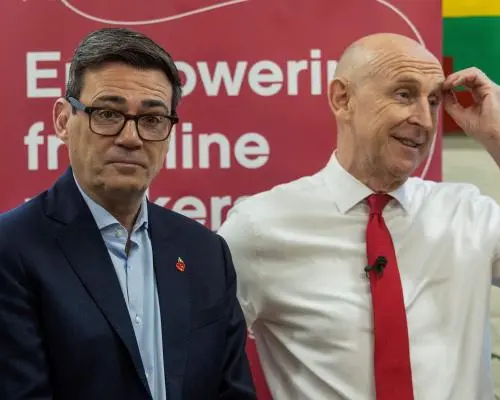
Moving Beyond the Shadow of the Financial Crisis
Greater Manchester Mayor Andy Burnham is preparing a landmark budget centered on the emotional and financial health of residents. This fiscal plan prioritizes small, impactful community improvements over traditional macroeconomic metrics. Burnham aims to reverse decades of rigid economic policy by focusing on the daily lived experiences of the public.
The upcoming budget reflects a departure from orthodox economic theories that often ignore how citizens actually feel. By introducing a series of localized benefits, the Mayor hopes to restore confidence in public institutions. This strategy addresses the long-term fallout from the 2008 financial crisis, which left a significant hole in the national treasury.
Can Small Deeds Overcome Decades of Economic Rigidity?
For over fifteen years, the banking sector has slowly worked to repay the billions lost during the global market collapse. Burnham’s approach suggests that the era of austerity must be replaced by a more compassionate fiscal framework. While these initial changes may not immediately dismantle forty years of neoliberalism, they signal a clear change in regional direction.
The Mayor is being described as a leader who understands that vibes matterin governance. By focusing on eye-catching, everyday improvements, the administration seeks to prove that government can be a force for good. These small deeds are intended to create a cumulative effect that improves the general mood of the city-region.
Critics and supporters alike are watching to see if this good-vibesapproach can survive the pressures of high inflation and limited budgets. The strategy relies on the idea that psychological security is just as important as fiscal growth. If successful, Greater Manchester could become a blueprint for other regions looking to break away from standard economic models.
Frequently Asked Questions
The long-term goal is to shift the dial on how wealth and success are measured at the local level. Instead of focusing solely on corporate investment, the budget emphasizes the value of the individual's daily routine. This shift represents a significant gamble on the power of public sentiment to drive regional stability.
What is the main philosophy behind Andy Burnham’s new budget? The budget prioritizes the emotional well-being of citizens over traditional economic data. It focuses on small, tangible improvements to daily life to foster a sense of community security