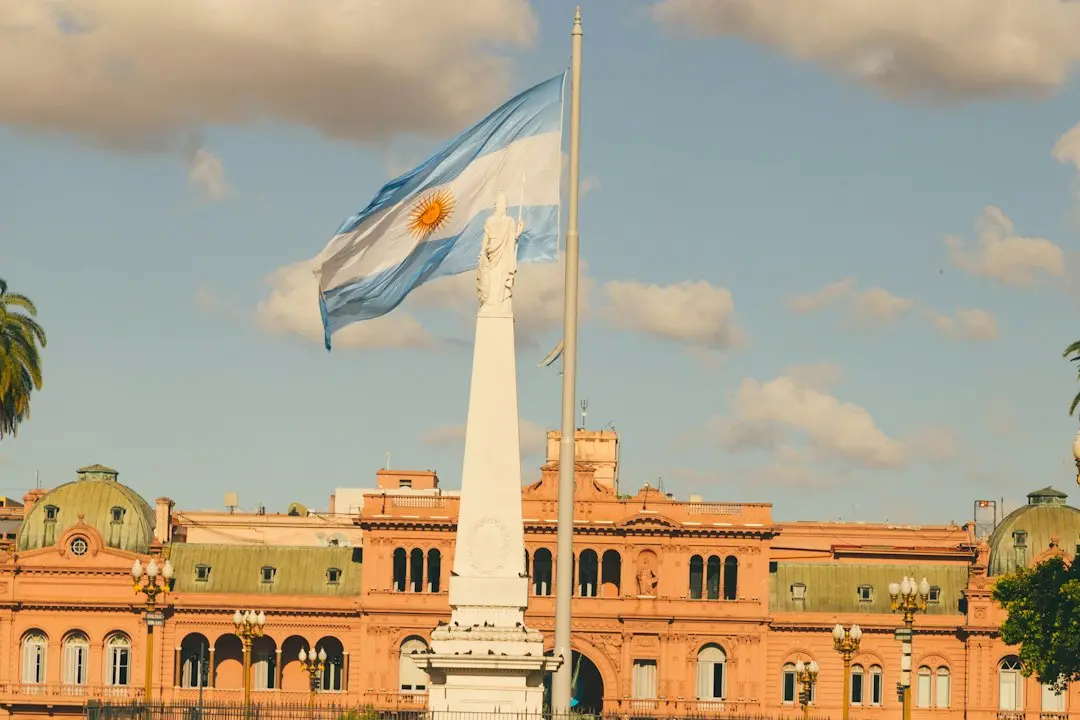
Economic Pressures Fuel Rising Hardship
Poverty in Argentina has risen to 32 percent in the first half of 2026, marking a 4.1 percentage point increase from the previous year, according to estimates by the Universidad Católica Argentina (UCA). This reversal follows a notable decline in poverty levels recorded during 2025, signaling a renewed economic strain on households nationwide. The uptick reflects deepening challenges in income stability and access to basic services amid ongoing fiscal adjustments.
The increase in poverty is linked to persistent inflation, currency devaluation, and reduced real wages, which have eroded purchasing power across urban and rural communities. Government austerity measures, including subsidy cuts and public spending restraints, have intensified financial pressure on low-income families. UCA researchers note that while some sectors show signs of stabilization, the benefits have not yet reached the most vulnerable populations, leaving many to rely on informal work or social assistance to survive.
How Are Households Adapting to the New Reality?
Families are responding by cutting back on essential goods, delaying healthcare visits, and increasing reliance on community kitchens and charitable networks. In Buenos Aires province, local organizations report a 30 percent rise in demand for food aid compared to early 2025. Economists warn that without targeted intervention, the poverty rate could climb further, potentially reaching 35 percent by year’s end if current trends persist. The situation underscores the uneven impact of macroeconomic reforms on daily life.
What caused the rise in Argentina's poverty rate? The increase stems from inflation, currency depreciation, and reduced real wages, compounded by austerity policies that have limited social spending and affected household incomes despite broader economic adjustments.
Frequently Asked Questions
Is the poverty rate expected to continue rising? Yes, UCA projections indicate the rate could reach 35 percent by the end of 2026 if economic pressures persist and no significant relief measures are introduced to support vulnerable groups.
Are any government programs addressing this trend? While specific new initiatives were not detailed in the source, analysts suggest that expanding targeted subsidies and strengthening social safety nets would be necessary to counteract the current trajectory and prevent further increases in poverty.