Inflation as a Political Tool
The Reserve Bank of Australia raised its cash rate on Tuesday, signalling further increases are likely. The decision, made in Sydney, was presented as a response to rising inflation driven by higher fuel and gas costs, rather than pressure from wage growth. Critics argue the move serves political interests and harms ordinary Australians.
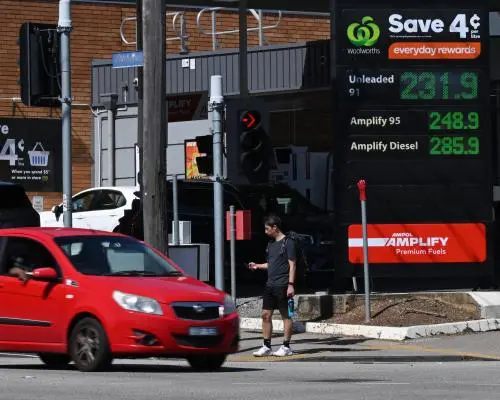
The R&B’s tightening comes as consumer price indexes show a noticeable uptick, with gasoline prices climbing 12% and household gas bills rising sharply over the past quarter. The central bank’s statement linked these spikes to broader price pressures, prompting the 25‑basis‑point hike. Economists note that while the policy aims to curb inflation, it also raises borrowing costs for mortgages and small businesses. Some political figures, notably Pauline Hanson, have welcomed the decision, framing it as a stand against „wage greed,” even as data suggest wages remain modest.
Opponents of the rate rise contend that the RBA is using inflation as a convenient excuse to justify aggressive monetary policy. „It feels like a manufactured crisis,” said Dr. Lena Patel, a senior lecturer in economics at the University of Melbourne. „The underlying price drivers are external – oil shocks and supply chain disruptions – not domestic demand overheating.” Critics also point to recent vandalism incidents targeting government buildings, suggesting that the rhetoric around „inflation‑driven hardship” fuels public unrest. They argue that the central bank’s narrative distracts from deeper structural issues, such as housing affordability and wage stagnation.
Is the Rate Hike the Right Answer to Rising Energy Costs?
The question looms whether higher interest rates will actually tame inflation or simply deepen economic strain. Historical evidence shows that monetary tightening can slow price growth, but it often does so at the cost of reduced investment and higher unemployment. Small‑business owner Marco Silva warned, „Our loan repayments will jump, and with customers already feeling the pinch from energy bills, we risk a slowdown.” Meanwhile, the Australian Treasury projects that continued rate hikes could shave inflation by 0.5% annually, but also potentially push GDP growth below 1% for the next two years.
The RBA’s stance suggests a commitment to returning inflation to its 2‑3% target range, yet the path forward remains uncertain. If energy prices stabilize, the central bank may pause further hikes; however, persistent global commodity pressures could force a tighter monetary stance, extending the period of higher borrowing costs for households and firms alike.
Frequently Asked Questions
Why did the RBA raise rates now? The bank cited a recent surge in consumer price inflation, largely driven by higher petrol and gas expenses, and aimed to pre‑empt further price acceleration.
How will the rate increase affect mortgage borrowers? Higher cash rates translate into higher loan interest rates, meaning monthly mortgage payments could rise by several hundred dollars for many borrowers.
What are the broader economic risks of continued rate hikes? Sustained tightening may curb inflation but could also slow economic growth, increase unemployment, and strain sectors reliant on cheap credit, such as housing and small business.