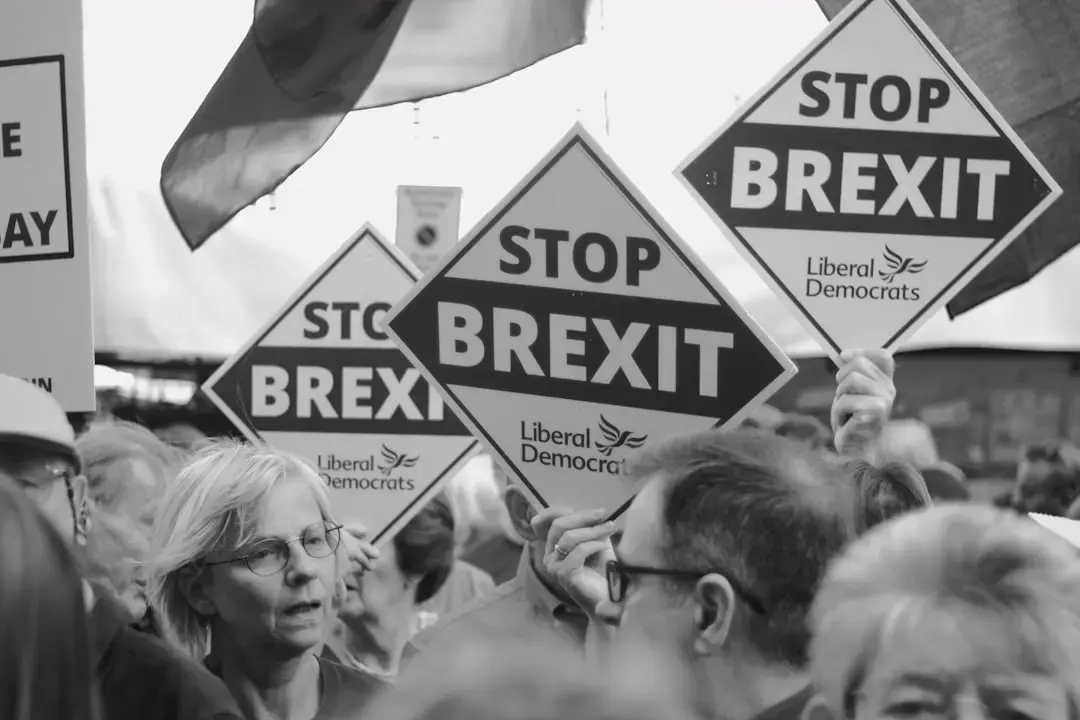
Regaining Control: A Complex Reality
The UK voted to leave the EU ten years ago, changing Britain forever. The decision has had lasting economic, political, and social consequences.
The Brexit referendum was a pivotal moment in British history. The country voted to take back control of its laws, borders, and trade policies. This decision was driven by concerns over immigration and sovereignty.
The UK's departure from the EU has led to significant changes in its economic and trade landscape. New trade agreements have been negotiated, but the process has been challenging. The UK's economy has been impacted, with some industries struggling to adapt to the new rules.
Is Brexit Delivering on its Promises?
The UK's services sector, a significant contributor to the economy, has faced particular challenges. The loss of passporting rights has made it harder for financial institutions to operate in the EU. This has led to some businesses relocating to EU countries.
As the UK navigates its new relationship with the EU, questions remain over whether Brexit has achieved its intended goals. The UK's economy is still feeling the effects of the transition.
The consequences of Brexit will continue to unfold in the coming years. The UK's future prosperity will depend on its ability to adapt to the new landscape and forge successful trade relationships.
Frequently Asked Questions
What were the main reasons for the UK's decision to leave the EU? The decision was driven by concerns over immigration and sovereignty. The UK wanted to take back control of its laws and borders.
Has Brexit led to significant economic changes in the UK? Yes, the UK's economy has been impacted, with some industries struggling to adapt to the new rules and trade agreements.
What are the implications of Brexit for the UK's services sector? The loss of passporting rights has made it harder for financial institutions to operate in the EU, leading to some businesses relocating.