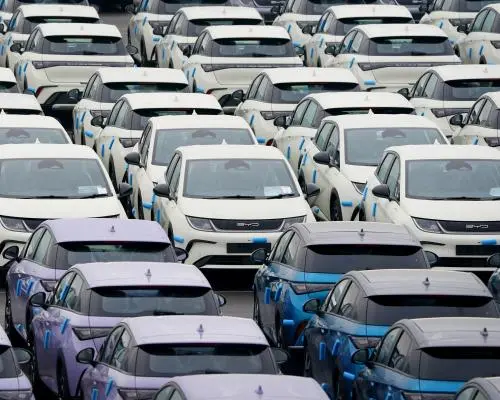
The Hybrid Loophole in Trade Policy
European regulators are expressing deep concern as imports of Chinese-made hybrid vehicles have skyrocketed across the European Union. While recent trade actions targeted fully electric cars, the rapid rise of hybrid models has created a significant loophole. Industry analysts warn this trend threatens the stability of the traditional European automotive sector.
The shift in market dynamics is stark. In 2022, the European Union recorded sales of only 659 fully hybrid vehicles manufactured in China. Since then, the numbers have surged dramatically, signaling a shift in consumer preference and trade patterns. Brussels officials are now scrambling to assess the impact of these imports on local manufacturers.
The current trade friction stems from the exclusion of hybrid vehicles from the strict tariffs recently imposed on Chinese electric cars. Because these vehicles utilize both internal combustion engines and battery power, they often fall into a different regulatory category. This classification has allowed Chinese exporters to bypass the financial barriers facing their all-electric counterparts.
Can European Manufacturers Withstand the Pressure?
European carmakers are struggling to maintain market share against these competitively priced alternatives. Many domestic firms argue that the sudden influx of these vehicles undermines the transition to green energy. They contend that the current tariff structure is insufficient to protect the European industrial base from aggressive foreign pricing strategies.
The long-term consequences for the European automotive industry remain uncertain. Analysts suggest that if the current growth rate continues, Brussels may be forced to reconsider its trade policy. Extending tariffs to include hybrid models could lead to further diplomatic tensions with Beijing, complicating an already fragile economic relationship.
Frequently Asked Questions
Industry experts believe the next few months will be critical for policy adjustments. If local manufacturers cannot match the price and technology offered by these imports, the European market could face a permanent shift in ownership. Policymakers must now balance environmental goals with the need to protect regional jobs and manufacturing capacity.
Why are hybrid vehicles currently exempt from EU tariffs? These vehicles were omitted from recent trade measures because the initial investigation focused specifically on battery-electric cars. Regulators are now reviewing whether this distinction remains appropriate given the recent market shifts.
What is the primary concern for European carmakers? Domestic manufacturers fear that lower-priced Chinese imports will erode their profit margins and market dominance. They are calling for a level playing field to ensure local firms can compete fairly during the transition to new energy vehicles.