What specific changes is Burnham proposing for the UK’s Brexit approach?
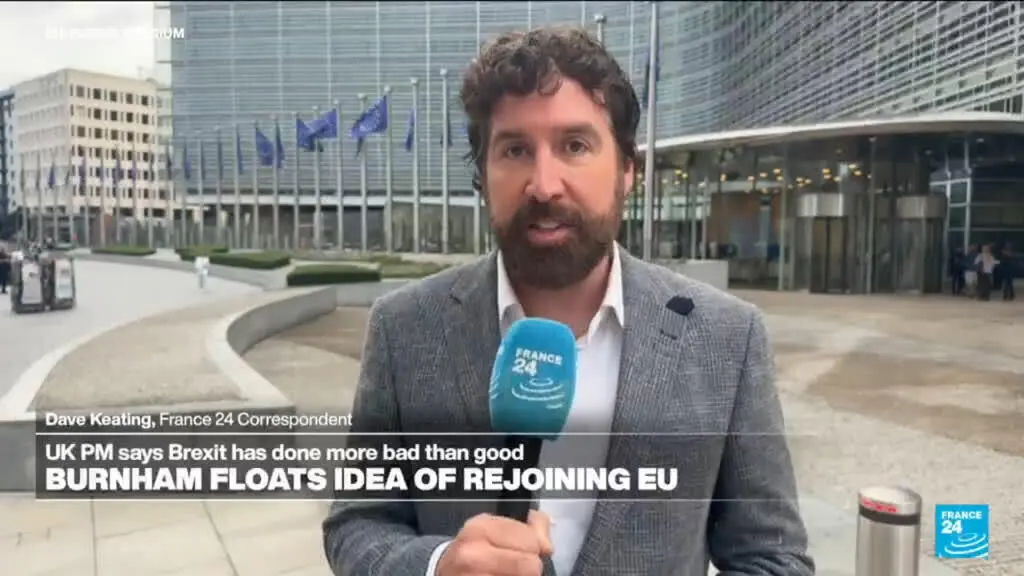
Andy Burnham, Mayor of Greater Manchester, reignited the national conversation on Brexit during a public address in Manchester on Wednesday, calling for a renewed assessment of the UK’s post-Brexit trajectory. His remarks came amid ongoing tensions between London and Brussels over trade, regulatory alignment, and the long-term shape of UK-EU relations. Burnham argued that the original Brexit deal has failed to deliver promised economic benefits for regions outside the southeast, particularly in the North of England. He urged policymakers to move beyond ideological rigidity and consider pragmatic adjustments to improve everyday living standards. The intervention reflects growing regional dissatisfaction with the current settlement and highlights a shift in how Brexit is being debated outside Westminster.
The EU responded swiftly, reiterating that responsibility for defining the future of UK-EU relations lies squarely with Britain. A spokesperson for the European Commission stated that while the bloc remains open to dialogue, it will not renegotiate the Withdrawal Agreement or the Trade and Cooperation Agreement. Instead, the EU emphasized that any evolution in relations must stem from UK-led initiatives, respecting the sovereignty of both sides. This position underscores Brussels’ stance that the UK, having chosen to leave, must now determine how it wishes to engage moving forward. The exchange highlights the structural limits of post-Brexit engagement, where the EU sets boundaries but refuses to dictate London’s choices.
How has the EU’s position evolved since the Brexit referendum?
Burnham did not outline a detailed policy package but called for a review focused on reducing friction in trade, especially for small and medium-sized enterprises reliant on cross-border supply chains. He suggested exploring closer alignment with EU standards in areas like food safety and environmental regulation to ease trade barriers, without rejoining the single market or customs union. His argument centers on economic pragmatism rather than political reversal, aiming to alleviate regional disparities exacerbated by the current deal. Burnham also stressed the need for greater investment in northern infrastructure to offset perceived neglect in the Brexit settlement.
Initially, the EU sought to uphold the integrity of its internal market by insisting that access to its benefits required adherence to its rules—a principle encapsulated in the phrase „no cherry-picking.” Over time, as the UK implemented its Brexit framework, the EU shifted from managing divorce proceedings to overseeing the functioning of the agreed-upon trade deal. While formal negotiations have concluded, the EU continues to monitor compliance and manage disputes through established mechanisms. Its current stance reflects a acceptance of the UK’s sovereignty outside the bloc, coupled with a insistence that London cannot expect preferential treatment without accepting corresponding obligations.
Did Andy Burnham suggest the UK should rejoin the EU? No, Burnham explicitly framed his comments as a call to improve the current Brexit arrangement, not to reverse it. He advocated for practical adjustments within the existing sovereignty framework to address economic shortcomings, particularly in northern England.
Frequently Asked Questions
Is the EU willing to renegotiate the Brexit deal? The EU has consistently stated it will not reopen the Withdrawal Agreement or the Trade and Cooperation Agreement. It maintains that any changes to UK-EU relations must be initiated by the UK and operate within the agreed legal structures.
What impact could Burnham’s comments have on UK politics? While Burnham lacks national legislative power, his intervention amplifies regional voices critical of Brexit’s economic outcomes. It may encourage other local leaders to push for pragmatic reforms, increasing pressure on Westminster to consider targeted adjustments to the current deal.