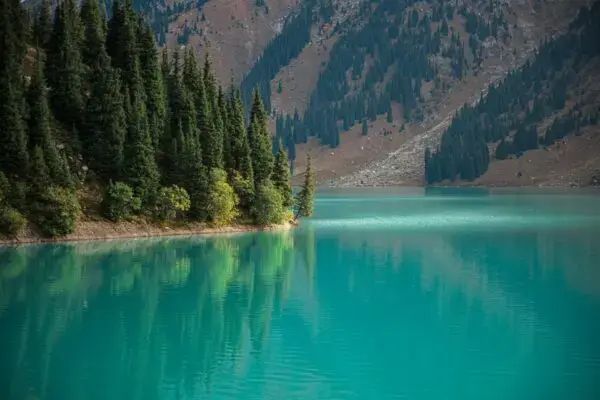
Glaciers: The Region's Lifeline
Central Asia is facing a severe water crisis due to climate stress, shrinking glaciers, and poor governance. The region's water supply is under threat. Glaciers are melting at an alarming rate. This has significant implications for the region's economy.
The region's geography has always been shaped by its water resources. The glaciers in the Tian Shan and Pamir mountains feed the rivers that support agriculture, industry, and households. However, climate change is causing temperatures to rise, leading to glacier melting and altering the water supply.
Can Cooperation Ease the Crisis?
The glaciers in Central Asia are crucial for the region's water supply. They store about 800 cubic kilometers of water, which is released as they melt. This meltwater supports the region's agriculture, particularly in Uzbekistan, Kazakhstan, and Turkmenistan. However, the glaciers are shrinking rapidly, with some losing up to 1% of their mass annually.
The region's governance structure is also contributing to the water crisis. The five countries that make up Central Asia - Kazakhstan, Kyrgyzstan, Tajikistan, Turkmenistan, and Uzbekistan - have different priorities and management practices when it comes to water resources. This has led to tensions and conflicts over water distribution.
The lack of cooperation among Central Asian countries is exacerbating the water crisis. A more collaborative approach to managing water resources could help alleviate the problem. This could involve implementing more efficient irrigation systems and promoting water-saving technologies.
Frequently Asked Questions
The consequences of inaction will be severe. Water scarcity will impact agriculture, industry, and households, leading to economic losses and social unrest. The region's economic growth will be threatened, and the livelihoods of millions of people will be at risk.
What is causing the water crisis in Central Asia? The water crisis is caused by climate stress, shrinking glaciers, and poor governance. How are the glaciers in Central Asia changing? The glaciers are shrinking rapidly due to rising temperatures. What are the potential consequences of the water crisis? The water crisis could lead to economic losses, social unrest, and impact the livelihoods of millions of people.