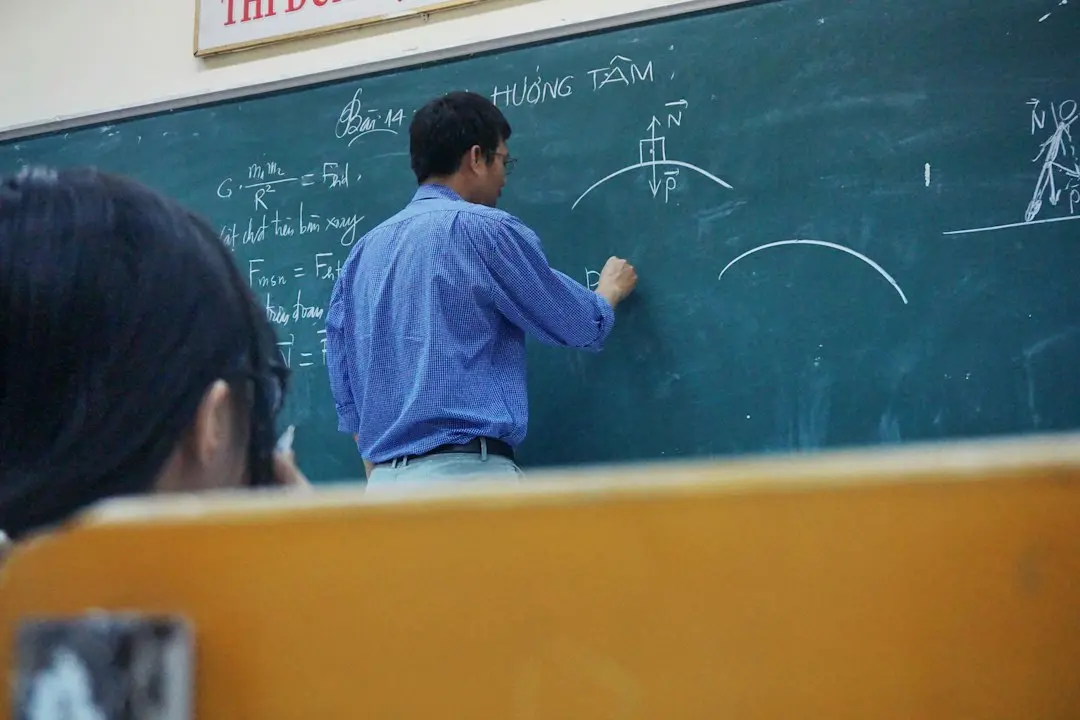
A Mentor in a Digital Age
In a bustling university in Beijing, a professor has become a celebrity among Gen Z students. Their admiration grew after he shared advice on coping with the fast‑moving economy and technology boom that shape their lives. China’s economy has surged, yet rapid change leaves many young people uneasy. The professor’s calm tone and practical tips resonate with students who face job uncertainty, rising living costs, and pressure to keep up with new tech trends.
The professor, known as Li Cheng, teaches economics at Tsinghua University. He has a calm demeanor and a reputation for using everyday examples. Students say his classes feel like a conversation with a friend. „He talks about real problems,” says Zihan Han. „He explains how to use data, not just theory.”
Why Gen Z Is So Worried?
Li’s approach mixes statistics with personal stories. He shows how China’s GDP grew to 18% in 2022, but notes that the growth is uneven. He explains that many new jobs are in tech, but those jobs require skills that students may not have. He offers free online tutorials on coding and data analysis. „The future is digital,” he says. „Learn the tools, then find a niche.”
Students report that his advice reduces anxiety. „Before, I felt lost,” says 19‑year‑old student Mei Li. „Now I know what skills to learn and how to apply them.” The professor’s message is simple: stay curious, keep learning, and stay flexible.
China’s youth face a tough job market. Unemployment for 18‑24‑year‑olds is 8.9% as of 2024, higher than the national average. Rising housing prices, especially in tier‑one cities, add to stress. Many students worry whether they can afford a home, a car, or even a decent apartment.
How Can Students Stay Ahead?
The rapid rise of artificial intelligence and automation also threatens traditional jobs. Li points out that many roles are disappearing, but new ones are emerging. „The key is to adapt,” he says. „If you can learn to use AI, you’ll be in demand.”
Social media amplifies these worries. Students compare themselves to peers who have secured high‑paying jobs abroad or in tech giants. The pressure to succeed is intense. „I feel like I’m always behind,” says student Wang Jun. „I think about whether I’ll ever be able to pay my rent.”
What Does the Future Hold for China’s Youth?
Li recommends a three‑step plan. First, identify a skill gap. „If you’re in marketing, learn data analytics,” he advises. Second, take online courses from platforms like Coursera or edX. Third, apply what you learn in internships or personal projects.
He also encourages students to network. „Talk with professors, alumni, and industry professionals,” he says. „You never know where an opportunity will come from.” The professor’s office hours are popular. Many students come in after class to ask about specific companies or projects.
Li also stresses mental health. „It’s okay to feel anxious,” he says. „But you must take care of yourself. Exercise, sleep, and talk to friends.” He has partnered with the university counseling center to host workshops on stress management.
Frequently Asked Questions
China’s economy will likely keep growing, but the pace of change will accelerate. Gen Z will need to be agile. Li believes that continuous learning and adaptability will be the keys to success. „The world is changing fast,” he says. „Those who adapt will thrive.”
For students, the path is clear: stay informed, keep learning, and maintain a healthy mindset. The professor’s message offers hope in a rapidly evolving landscape.