Freight and Logistics Under Pressure
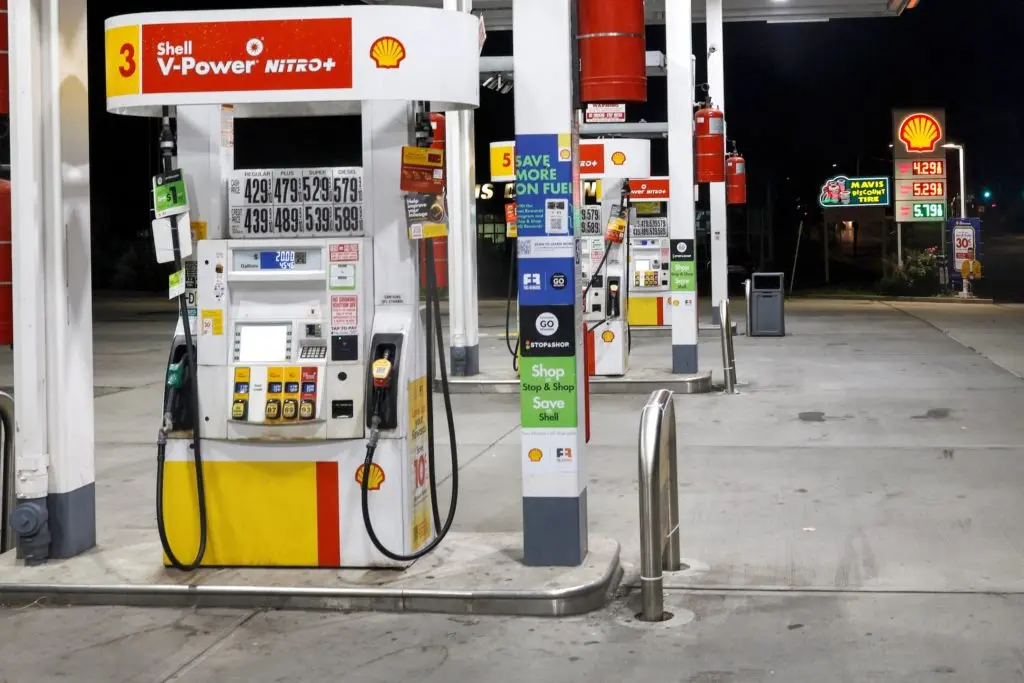
A sharp jump in diesel fuel costs is hitting businesses nationwide, raising concerns about broader inflation and supply chain disruptions. The spike, which began earlier this year, is affecting everything from freight transport to construction projects as companies grapple with rapidly increasing operational expenses.
Diesel prices have climbed more than 50 cents per gallon since January, reaching levels not seen in over two years. Analysts point to a combination of factors including refinery maintenance shutdowns, geopolitical tensions affecting crude oil supplies, and increased demand as the economy rebounds from pandemic-related slowdowns. The ripple effects extend far beyond gas stations, influencing the cost of goods transported by truck, the price of agricultural products, and even municipal services that rely on diesel-powered equipment.
Trucking companies, which consume roughly 25% of the nation's diesel supply, are particularly vulnerable. Many small carriers report that fuel costs now represent their largest expense, surpassing labor costs for the first time in decades. Some companies are implementing fuel surcharges, while others are reducing delivery routes or delaying shipments. The American Trucking Associations warns that sustained high diesel prices could lead to reduced service frequency and higher consumer prices for everything from groceries to electronics.
The transportation cost increases are already showing up in retail prices, with grocery stores reporting higher costs for fresh produce and meat due to increased shipping expenses. Construction firms face higher bids for projects requiring heavy machinery, potentially slowing infrastructure development. Farmers express concern about rising costs for planting and harvesting crops, which could reduce profit margins and affect food supply chains.
How Will Consumers Feel the Squeeze?
Looking ahead, economists expect diesel prices to remain volatile through the fall season. The Federal Reserve is monitoring the situation closely, as persistent fuel cost increases could complicate monetary policy decisions. While some relief may come from new refining capacity coming online, experts caution that structural changes in energy markets and global supply chains suggest higher fuel costs may become the new normal rather than a temporary disruption.
What caused diesel prices to spike so dramatically?
Refinery maintenance shutdowns, geopolitical tensions affecting crude oil supplies, and increased economic demand combined to create supply constraints that drove prices upward.
Frequently Asked Questions
Which industries are most affected by rising diesel costs?
Freight and logistics companies face the biggest impact since they consume the largest share of diesel fuel, but construction, agriculture, and municipal services also report significant cost increases.
Will diesel prices come down soon?
Economists expect continued volatility through the fall season, with some potential relief from new refining capacity but no guarantee of sustained price decreases given ongoing global supply chain challenges.