Refinery Bottlenecks Drive Market Volatility
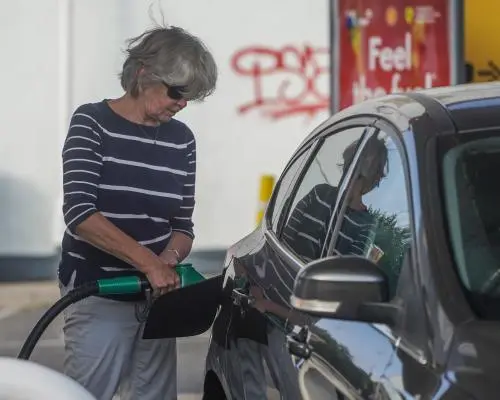
Diesel prices reached an unprecedented two pounds per liter in the United Kingdom today. This milestone follows weeks of record-breaking fuel costs across Europe. Simultaneously, the eurozone inflation rate has climbed to 3.8 percent. These economic pressures are fueling urgent demands for political leaders to intervene and protect households from escalating living costs.
The surge in road fuel prices has significantly outpaced the general rise in global oil markets. This discrepancy is largely attributed to a sharp decline in output from major refineries. As supply chains struggle to keep pace with demand, the cost of transporting goods and commuting has spiked, placing heavy strain on both businesses and individual consumers.
Market analysts point to a critical shortage in processing capacity as the primary driver behind the current crisis. While global crude oil prices have remained high, the specific inability of refineries to convert that oil into diesel has created a supply vacuum. This mismatch has forced fuel costs to decouple from crude prices, leading to the current record highs at the pump.
Can Political Intervention Stabilize Energy Costs?
Governments are now facing immense pressure to implement relief measures. Options being discussed include temporary tax cuts on fuel or direct subsidies for low-income families. However, policymakers remain cautious, balancing the need for immediate consumer relief against the risk of further fueling inflationary trends within the broader European economy.
The rapid inflation of 3.8 percent in the eurozone complicates the path forward for central banks and fiscal authorities. If energy costs remain at these elevated levels, the overall cost of living will likely continue to climb. Experts warn that without a significant increase in refinery output, the current price floor for diesel could persist for the foreseeable future.
The outlook remains uncertain as energy markets react to geopolitical tensions and supply constraints. Consumers should prepare for sustained price volatility as the winter season approaches. The effectiveness of any government response will depend on how quickly supply chains can recover and whether inflationary pressures can be contained through strategic fiscal policy.
Frequently Asked Questions
Why are diesel prices rising faster than crude oil? The primary cause is a severe reduction in refinery output. Refineries are currently unable to process enough fuel to meet demand, which drives up prices regardless of the cost of raw crude.
What is the current inflation rate in the eurozone? The eurozone inflation rate has reached 3.8 percent. This increase is largely driven by the rising cost of energy and transportation fuels across the region.
Will fuel prices decrease soon? Market experts suggest that prices will likely remain high until refinery production stabilizes. There is no immediate indication of a significant drop in costs in the near term.