Why the ECB views the latest data as encouraging
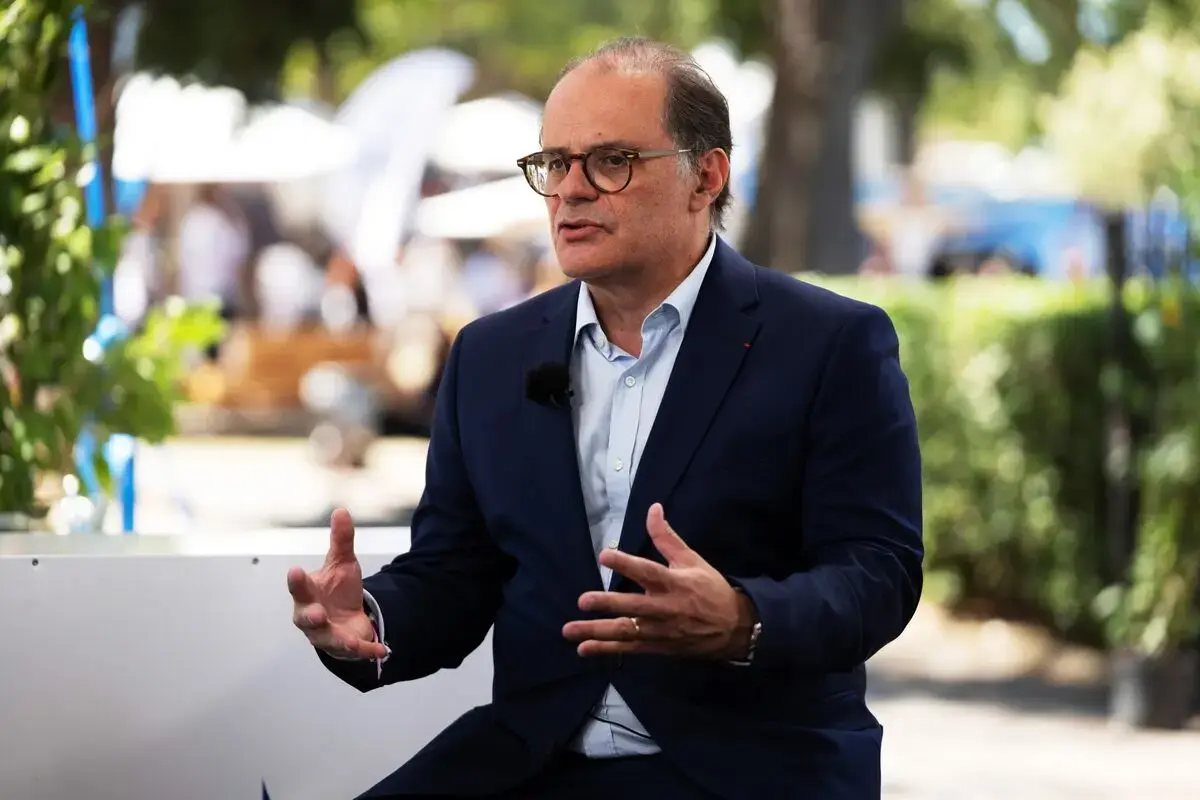
European Central Bank official Emmanuel Moulin told reporters on Thursday that the institution is „in a good position” following last month’s interest‑rate increase. His comment came after the eurozone’s most recent inflation data showed a modest slowdown, reinforcing the bank’s tightening stance.
Moulin’s remarks reflect the ECB’s assessment that price pressures are easing, yet still above its 2 percent target. The rate hike in March lifted the deposit rate by 25 basis points, marking the third consecutive tightening move. By linking the policy decision to fresh inflation numbers, the bank signals readiness to act if price growth stalls or rebounds.
The ECB’s latest inflation report indicated that headline price growth edged lower, while core inflation – which excludes volatile energy and food items – also showed signs of deceleration. Analysts interpret the trend as evidence that monetary tightening is beginning to filter through the economy. Moulin emphasized that the central bank’s „good position” stems from having enough policy space to react to future shocks. He noted that the recent rate hike was calibrated to balance the need for price stability with the risk of over‑tightening growth.
Can the ECB sustain its tightening trajectory?
Moulin also highlighted the importance of forward guidance. By communicating a clear path, the ECB hopes to anchor expectations and prevent a resurgence of inflationary pressures. The official said that the current stance allows the bank to maintain its commitment to bring inflation back to target while monitoring the evolving economic landscape.
The question remains whether the ECB will continue raising rates or pause its policy tightening. Moulin cautioned that any decision will depend on upcoming data releases, particularly wage growth and consumer spending trends. He warned that premature easing could undermine the progress made, while excessive tightening might hurt fragile recovery. The official stressed that the bank will weigh both inflation dynamics and real‑economy indicators before charting the next step.
Looking ahead, the ECB’s positioning suggests a cautious but proactive approach. If inflation continues to trend downward, the bank may adopt a more measured pace, possibly holding rates steady for several meetings. Conversely, any resurgence in price pressures could prompt further hikes. Market participants will watch upcoming Eurostat releases closely, as they will shape the central bank’s policy calculus and influence euro‑area borrowing costs.
Frequently Asked Questions
What does „good position” mean for the ECB? It indicates that the bank believes it has sufficient policy tools and flexibility to address inflation without jeopardizing economic growth.
How many rate hikes has the ECB implemented this year? The ECB raised its key interest rate three times in 2024, with the most recent increase occurring in March.
Will the ECB pause its tightening soon? The decision will hinge on forthcoming inflation and labour‑market data; the bank has not ruled out either a pause or additional hikes.