Inflation Concerns Weigh on Policy Decisions
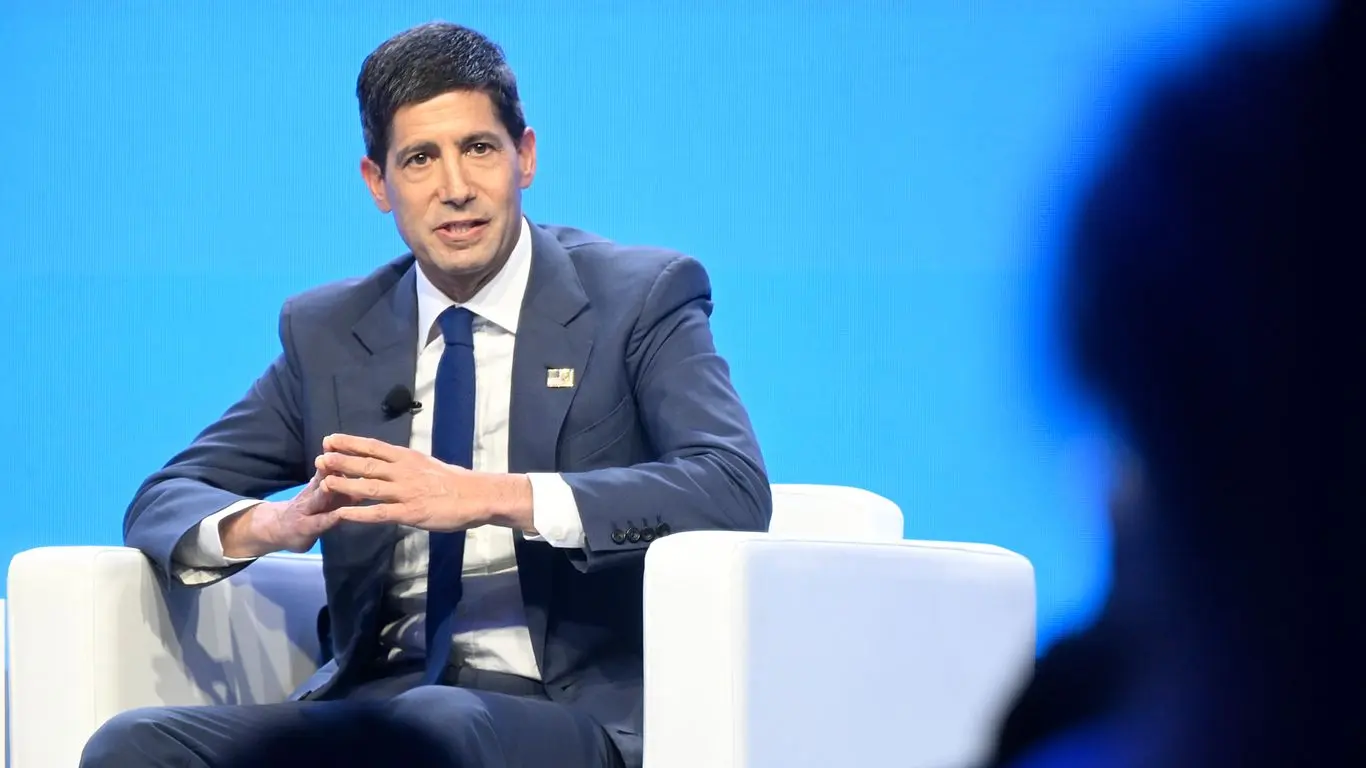
Federal Reserve Governor Kevin Warsh said Friday that the U. S. economy has largely tracked the central bank's expectations since the last interest rate increase in September, suggesting no major shift in the Fed's policy outlook.
Speaking at a conference in Washington, Warsh noted that recent economic data has reinforced the Fed's view that growth remains solid while inflation pressures continue to build. His comments come as policymakers prepare for a potential rate hike later this month, with markets closely watching whether officials will signal further tightening.
Warsh pointed to stronger-than-expected consumer spending and a tightening labor market as key factors supporting the case for additional rate increases. He emphasized that the Fed's dual mandate of price stability and maximum employment remains intact, but acknowledged that rising inflation presents a growing challenge.
The core personal consumption expenditures index, the Fed's preferred inflation gauge, has climbed at its fastest pace in years, reaching 2.8% annually in the latest reading. Warsh said this uptick validates the Fed's gradual approach to removing monetary accommodation, though he stopped short of endorsing aggressive action.
How Will Recent Data Influence the Fed's Next Move?
Recent reports show that while economic growth has moderated slightly, wage growth and housing costs continue to push inflation higher. Warsh indicated that the Fed will assess incoming data carefully before deciding whether to raise rates at its December meeting.
He also addressed concerns about global economic risks, noting that while international developments could affect U. S. growth, current fundamentals remain resilient. Warsh added that the Fed is monitoring financial conditions closely, particularly after recent volatility in equity markets.
Looking ahead, Warsh suggested that the Fed's policy path will depend largely on how inflation evolves in the coming months. If price pressures continue to intensify, he expects the central bank to act decisively, though he cautioned against overreacting to any single data point.
Frequently Asked Questions
The Fed's next policy decision is scheduled for December 19, with markets currently pricing in a roughly 70% chance of a rate increase.
What did Kevin Warsh say about the economy? Warsh said the economy has largely performed as expected since September's rate hike, indicating that the Fed's outlook remains largely unchanged despite rising inflation concerns.
Is the Fed likely to raise rates in December? Market expectations point to a high probability of a rate increase at the December meeting, as inflation continues to climb and economic conditions remain strong enough to support further tightening.
How is inflation affecting Fed policy? Rising inflation, particularly in services and wages, is pushing the Fed toward additional rate hikes. Officials are balancing the need to control prices with avoiding excessive tightening that could slow growth.