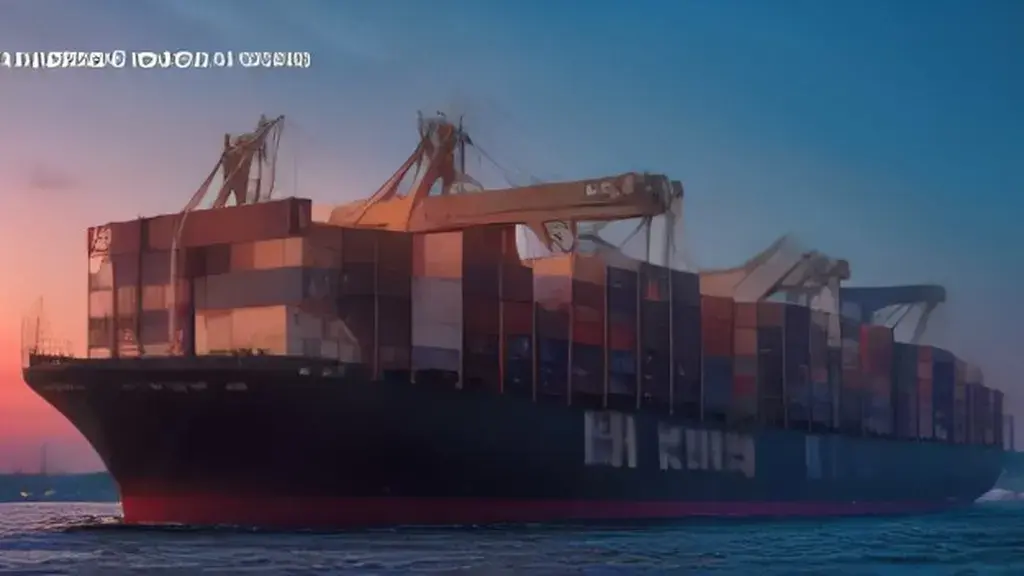
Freight Costs and the Cost of Shipping Disruptions
Global supply chains are under mounting pressure from geopolitical tensions, shipping disruptions, and energy cost volatility. These pressures ripple outward, affecting everything from semiconductor manufacturing to beverage distribution. Understanding these dynamics is critical for businesses operating across borders.
For consumer-facing industries like craft beverages, the impact is tangible: longer lead times, higher freight costs, and shifting sourcing strategies. The craft beer sector, in particular, has had to adapt its logistics to maintain product availability in competitive urban markets.
Maritime freight rates have fluctuated significantly since 2024, driven by port congestion and geopolitical risks in key shipping lanes. This volatility directly inflates the cost of transporting raw materials and finished goods between countries.
For regional producers, the result is a narrower margin between cost and retail price.
Regional Production and the Shift Toward Local Sourcing
Many have responded by consolidating shipments and negotiating longer-term contracts with carriers to lock in rates and reduce exposure to spot-market spikes.
The broader implication is that consumers in major urban centers may face higher shelf prices for specialty beverages as logistics costs are passed down the chain. This trend is visible across Europe and North America, where craft segments are most price-sensitive.
As global shipping becomes less predictable, a growing number of beverage producers are pivoting toward regional sourcing of ingredients. This reduces dependency on long-haul freight and lowers the carbon footprint of production.
In Eastern Europe, several craft breweries have partnered with local grain and hop suppliers to stabilize input costs.
Consumer Demand and the Craft Beverage Market
This localization strategy also strengthens community ties and supports smaller agricultural producers.
For readers interested in how this plays out in practice, platforms like bere artizanala illustrate how regional craft producers manage distribution efficiently within a single metropolitan area, minimizing cross-border logistics complexity.
Global consumer spending on specialty beverages has remained resilient despite broader economic headwinds. Demand for craft products is strongest in urban areas where disposable income is higher and taste preferences favor variety and quality.
Market data indicates that consumers are trading down from premium imports toward domestic and regional brands that offer comparable quality at lower price points. This shift pressures international importers and rewards local producers who can deliver consistently.
For global brands, the challenge is maintaining product availability without over-relying on a single supply corridor.
What This Means for Global Trade Policy
Diversifying sourcing regions and building regional warehousing are common mitigation strategies.
Trade policy decisions in 2026 will shape how easily goods move between regions. Tariff changes, customs reforms, and trade agreements all affect the cost and speed of international commerce for beverage and consumer goods.
Policymakers are increasingly focused on supply chain resilience, with proposals to subsidize regional production and reduce dependence on any single shipping route. These moves aim to protect domestic industries while keeping consumer prices stable.
Businesses operating across borders must monitor these policy shifts closely, as even small changes in trade rules can alter the economics of importing or exporting finished goods and raw materials.