Why the Push for Full‑Scale Body‑Camera Coverage?
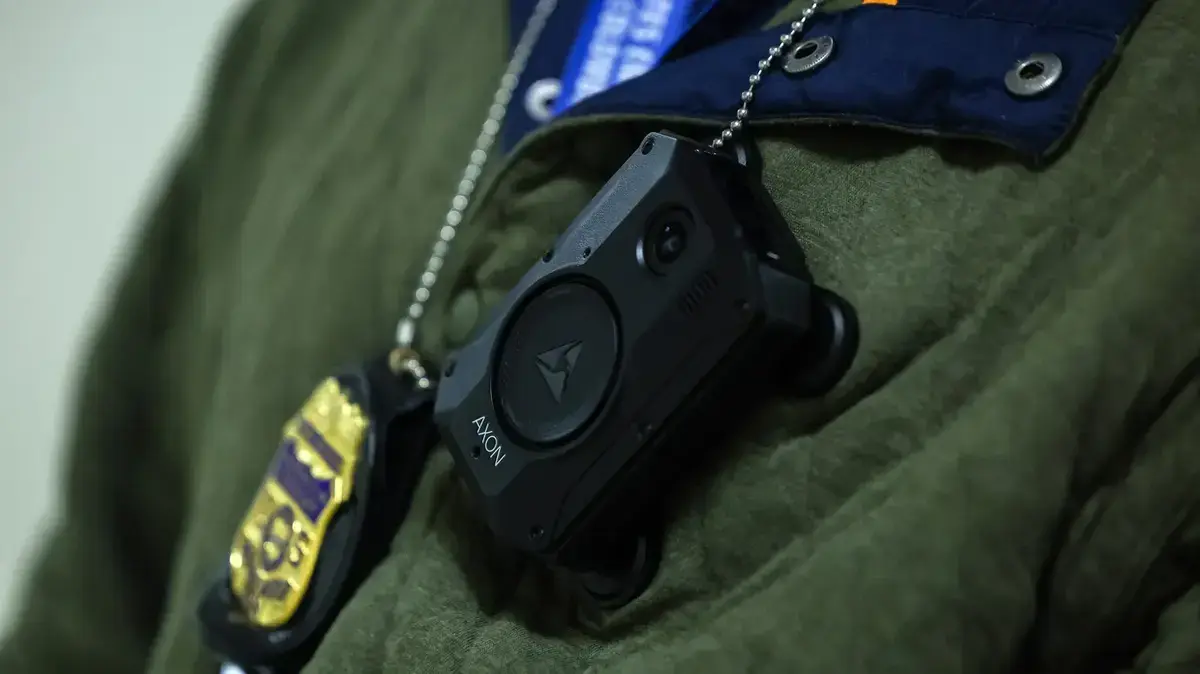
The U. S. Immigration and Customs Enforcement (ICE) announced Tuesday that all of its domestic offices will receive body‑camera units within the next 60 days. Half of the agency’s locations already have the devices, and the remaining sites will be upgraded by the end of the period.
ICE officials said the rollout aims to increase transparency and protect both agents and the public during encounters. The agency plans to fund the purchase and installation through its existing equipment budget, avoiding additional congressional appropriations. Critics have long argued that body cameras could curb misconduct, while supporters claim they provide valuable evidence for investigations. The new policy follows a series of internal reviews that highlighted gaps in documentation and accountability.
The decision comes after a year‑long internal audit revealed that many field interactions were recorded only sporadically. Agency leaders argued that uniform coverage would close that gap. „Consistent use of body cameras strengthens trust and ensures accurate records,” an ICE spokesperson told reporters. The rollout will prioritize high‑traffic facilities, such as detention centers and field offices, before moving to smaller regional sites. Training sessions on camera activation and data handling are scheduled to begin next week, ensuring agents understand procedural requirements. The agency also plans to partner with technology firms to manage the growing volume of video evidence securely.
Will the New Cameras Change Enforcement Practices?
Observers wonder whether the cameras will alter day‑to‑day operations. Some advocacy groups expect a measurable decline in complaints against agents, citing studies from other law‑enforcement bodies. ICE, however, cautions that cameras are a tool, not a guarantee of behavior change. „Our focus is on accurate documentation, not on policing our officers,” the spokesperson added. Early reports from the offices already equipped with cameras show a modest reduction in use‑of‑force incidents, though analysts note that longer‑term data will be needed to confirm trends. The agency has committed to releasing annual performance metrics to the public.
The full deployment is slated for completion by early September. If successful, ICE’s move could set a precedent for other federal agencies handling immigration enforcement. The agency hopes the technology will improve evidence collection, reduce legal challenges, and foster greater public confidence in its mission.
Frequently Asked Questions
How many ICE offices currently have body cameras? As of the announcement, roughly 50 % of ICE’s U. S. offices are already equipped with body‑camera units.
What training will agents receive? Agents will attend mandatory sessions on camera activation, data storage, and privacy protocols before the devices are installed.
Will the footage be publicly accessible? Video recordings will be stored in secure databases and released only under existing legal standards, such as FOIA requests or court orders.