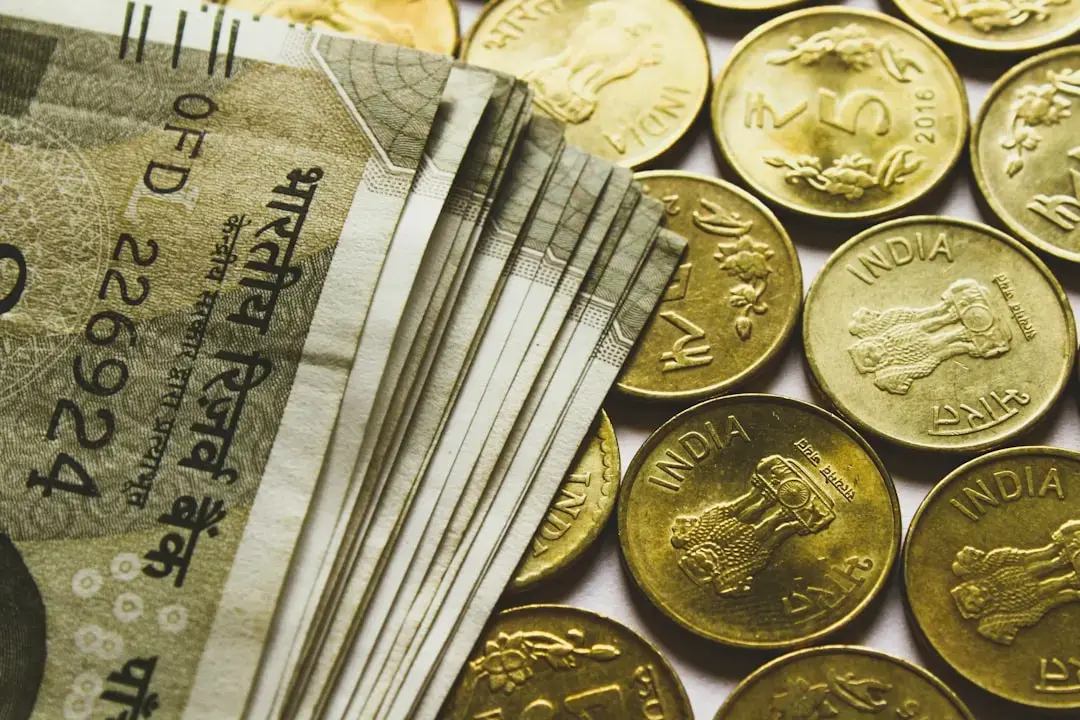
Key Drivers of India's Price Surge
Consumer prices in India saw an acceleration in July, reaching 4.45%. This marks the ninth consecutive month of increasing inflation for the nation. The persistent rise is fueling expectations that the central bank may implement an interest rate hike before the end of the year.
This latest figure represents a slight increase from June's inflation rate of 4.38%. The consistent upward trend suggests growing price pressures across the Indian economy. Analysts are now closely watching for policy responses.
A significant contributor to the overall inflation was the sharp rise in food prices. Food inflation jumped by more than 5% during July. This increase directly impacts household budgets and consumer spending power.
What Does This Mean for India's Economy?
Transportation costs also played a major role in the accelerating inflation. The sector experienced an increase of over 7%. Higher fuel prices and other operational expenses likely contributed to this substantial rise, affecting both goods and passenger movement.
The sustained inflationary pressure could prompt the Reserve Bank of India to act. An interest rate hike is a common tool used to cool down an overheating economy. Such a move would aim to curb spending and bring prices back under control.
However, a rate hike could also impact economic growth by making borrowing more expensive. Policymakers face a delicate balancing act between managing inflation and supporting economic expansion. The coming months will reveal the central bank's strategy.
Frequently Asked Questions
What was India's inflation rate in July? India's consumer price inflation reached 4.45% in July. This figure represents an increase from the previous month and marks a continuous upward trend.
Which sectors saw the biggest price increases? Food prices rose by over 5%, and transportation costs increased by more than 7%. These two sectors were significant drivers of the overall acceleration in inflation.
Why is a rate hike being considered? A rate hike is being considered to combat the persistent rise in inflation. Increasing interest rates can help to reduce demand and stabilize prices in the economy.