Escalation Pattern and Immediate Risks
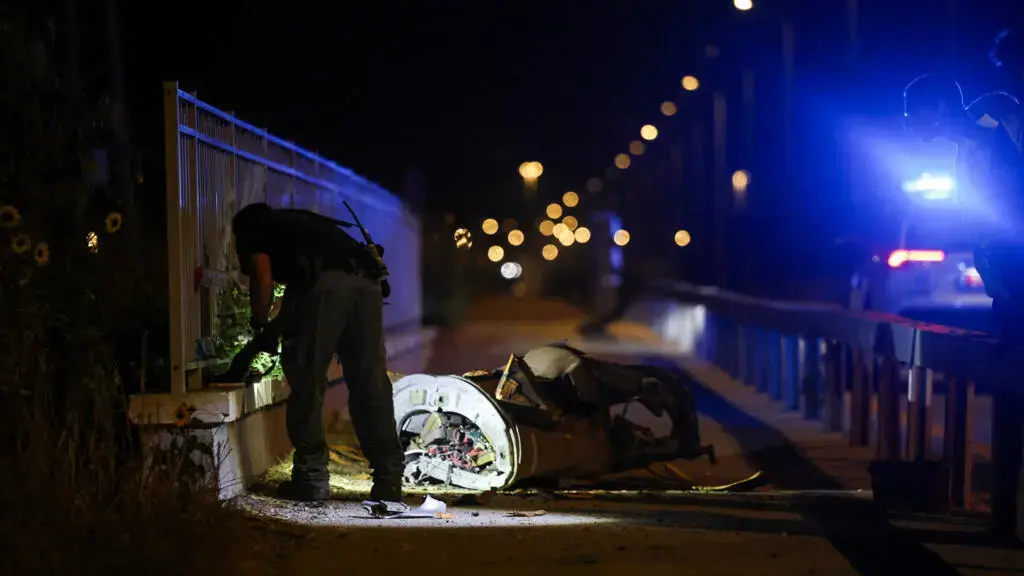
Israel and Iran traded air strikes early Monday, launching retaliatory attacks that threatened to pull the Middle East back into a broader war. Israeli officials reported two waves of Iranian missiles aimed at Israeli territory and issued urgent warnings to the public.
The strikes came after weeks of heightened tension between the two nations. Israeli authorities said the missile waves were part of a coordinated Iranian effort to test Israel’s air defenses. Tehran’s response, they added, appeared designed to signal that any further Israeli actions would meet a swift aerial counter‑strike. Both sides have accused each other of violating regional stability, and the latest exchange has revived concerns of a spiralling conflict.
The exchange marks a sharp rise in direct hostilities. Israeli defense spokespeople described the missile launches as „unprecedented in scale” for the current crisis. They also emphasized that the country’s missile shield had intercepted several projectiles, though some reached deeper into Israeli airspace. Iranian officials, speaking from Tehran, framed the attacks as „necessary retaliation” for what they described as Israeli provocations in the region. Analysts warn that such tit‑for‑tat exchanges can quickly expand beyond the two nations, drawing in allies and proxy forces.
Could This Spark a Full‑Scale Middle East War?
The timing of the strikes coincided with diplomatic talks in neighboring capitals, raising doubts about the durability of any cease‑fire efforts. Military commanders on both sides reported heightened alert levels, and civilian populations were urged to stay near shelters. The rapid pace of the attacks left little room for diplomatic de‑escalation, and the threat of a broader regional war loomed over markets and diplomatic corridors alike.
Experts ask whether the latest missile exchange could ignite a larger conflict. Many point to the historical pattern of escalation, where isolated strikes often trigger wider engagements. The presence of multiple regional actors with vested interests in the Israel‑Iran rivalry adds complexity. If either side expands its campaign, neighboring countries could be compelled to intervene, either militarily or through proxy groups, potentially turning a localized clash into a multi‑front war.
The outlook remains uncertain. Israeli officials have pledged to defend their territory against further missile attacks, while Iranian leaders have warned of continued retaliation if Israel proceeds with offensive operations. International mediators are urging restraint, but the speed of the exchanges makes diplomatic overtures difficult. The coming days will likely determine whether the region can avoid a full‑scale war or slide deeper into conflict.
Frequently Asked Questions
What triggered the missile exchange on Monday? Israeli officials said Iranian missiles were launched in retaliation for earlier Israeli actions they deemed provocative, though specific triggers were not detailed publicly.
How many missile waves were reported? Israeli authorities warned of two distinct waves of Iranian missiles targeting the country early Monday, prompting public alerts and heightened defense measures.
What are the chances of a wider regional war? While no definitive outcome can be predicted, analysts warn that the exchange raises the risk of broader involvement, especially if allies of either side choose to intervene.