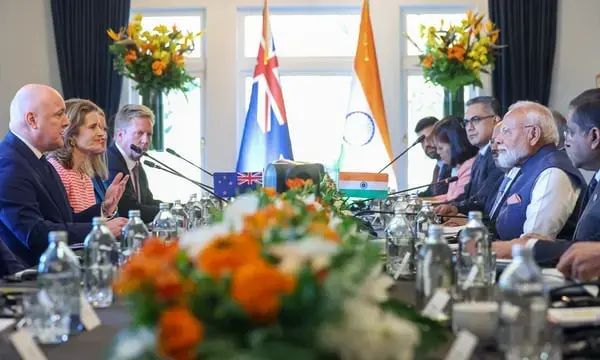
Strategic Realignment in the Indo-Pacific
New Zealand is actively prioritizing a stronger economic and security partnership with India as part of a broader shift in its international strategy. By fostering deeper ties with New Delhi, Wellington aims to diversify its trade portfolio and move away from over-reliance on traditional partners, signaling a significant evolution in its global diplomatic approach.
The push for a formal trade agreement reflects a strategic desire to balance regional influence. Officials in Wellington view India as a critical player in the Indo-Pacific, offering immense potential for growth. Strengthening this relationship serves as a hedge against geopolitical volatility while opening new avenues for New Zealand’s export-driven economy.
The move comes as New Zealand seeks to navigate an increasingly complex global environment. By placing India at the top of its diplomatic agenda, the government intends to secure more robust supply chains and technological cooperation. This pivot is not merely about commerce; it is an attempt to integrate more deeply into the emerging security architecture of the region.
Can This Partnership Redefine Regional Stability?
Diplomatic observers note that this outreach represents a calculated effort to broaden New Zealand's reach beyond its immediate neighborhood. Engaging with India allows Wellington to participate more effectively in regional security dialogues. The focus remains on creating a stable, rules-based framework that benefits both nations amid shifting power dynamics.
The success of this initiative depends on the ability of both governments to reconcile different market priorities and regulatory standards. While trade remains the primary driver, the long-term goal is a comprehensive partnership that addresses shared security concerns. If successful, this collaboration could serve as a blueprint for New Zealand’s future engagement with other rising powers.
Frequently Asked Questions
Ultimately, this policy shift suggests that New Zealand is prepared to take a more assertive role in shaping its own economic destiny. By diversifying its alliances, the nation is positioning itself to better withstand external shocks. The coming years will reveal whether this ambitious diplomatic outreach can translate into tangible economic prosperity and enhanced security for the Pacific nation.
Why is India a priority for New Zealand? India is viewed as a vital economic partner with significant growth potential. Strengthening ties there helps New Zealand diversify its trade and reduce reliance on a limited number of traditional markets.
What are the main goals of this new foreign policy? The primary objectives are to balance economic interests with regional security needs. By building new alliances, the government aims to navigate global uncertainty while fostering long-term stability.