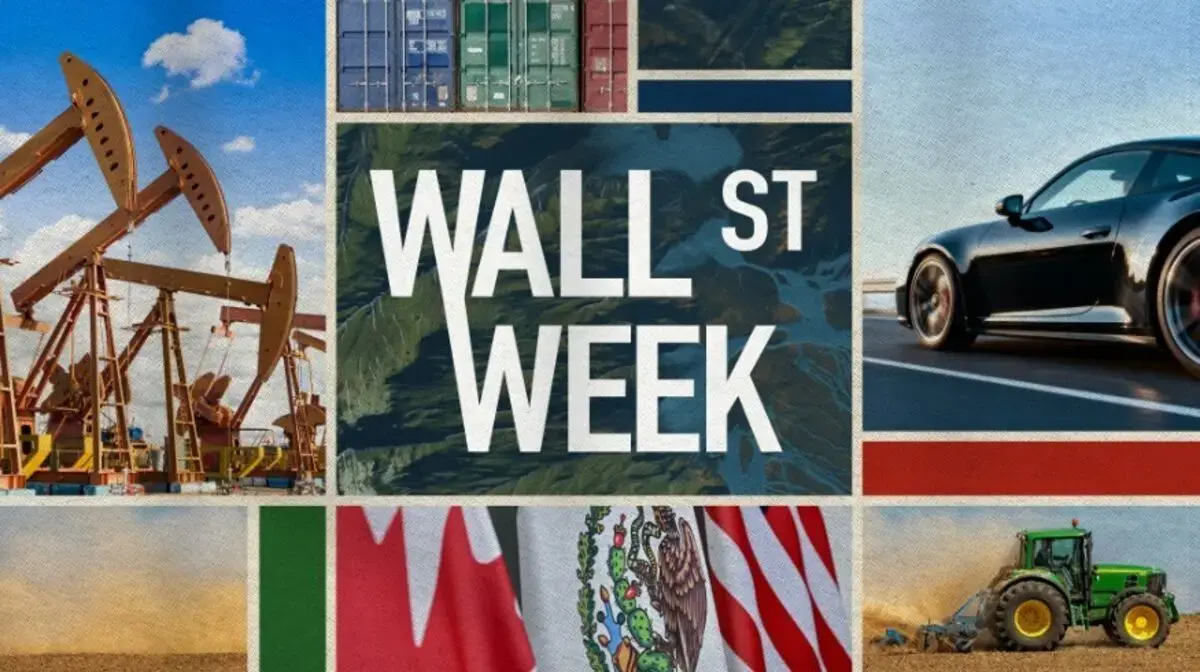
Auto Industry Integration at Risk
The USMCA trade agreement is under scrutiny as renegotiations test its future. North America's auto industry, built on decades of cross-border integration, hangs in the balance. American farmers, increasingly reliant on exports to Canada and Mexico, are also watching closely.
The USMCA, signed in 2020, replaced the North American Free Trade Agreement (NAFTA) and aimed to modernize trade relations between the three countries. The auto industry, a significant sector, has long benefited from the free flow of goods and services across borders. Renegotiations are now putting this delicate balance to the test.
Can USMCA Survive the Renegotiation Gauntlet?
The USMCA's rules of origin, which dictate the percentage of components that must be sourced from within North America, are a key point of contention. Critics argue that stricter rules could disrupt supply chains and increase costs for manufacturers. The industry has long relied on just-in-time production, with parts and vehicles crossing borders multiple times during the manufacturing process.
As talks continue, American farmers are growing increasingly anxious about the potential consequences of a failed renegotiation. Exports to Canada and Mexico have become vital to the US agricultural sector, with Canada alone accounting for a significant portion of US wheat and corn exports. A breakdown in trade relations could have far-reaching consequences for the industry.
Frequently Asked Questions
The outcome of the renegotiations will have significant implications for North America's economy. A successful agreement could ensure the continued growth of the region's auto industry and agricultural exports. However, failure could lead to increased trade tensions and economic disruption.
What is at stake for the North American auto industry? The industry's cross-border supply chains and just-in-time production are vulnerable to disruption. Stricter rules of origin could increase costs and reduce competitiveness. How important are exports to Canada and Mexico for US farmers? Exports to these countries have become crucial, with Canada a significant market for US wheat and corn. A breakdown in trade could have severe consequences. What are the potential consequences of a failed renegotiation? A failed renegotiation could lead to increased trade tensions, economic disruption, and potential tariffs being imposed on goods traded between the three countries.