Navigating the Geopolitical Chip Landscape
Jensen Huang, the visionary leader of chip manufacturer Nvidia, recently addressed the complex intersection of artificial intelligence, international trade, and national security. Speaking during a high-profile interview, the executive highlighted the massive influence his company now wields over the global tech landscape. His insights come as geopolitical tensions reshape how advanced computing hardware moves across borders.
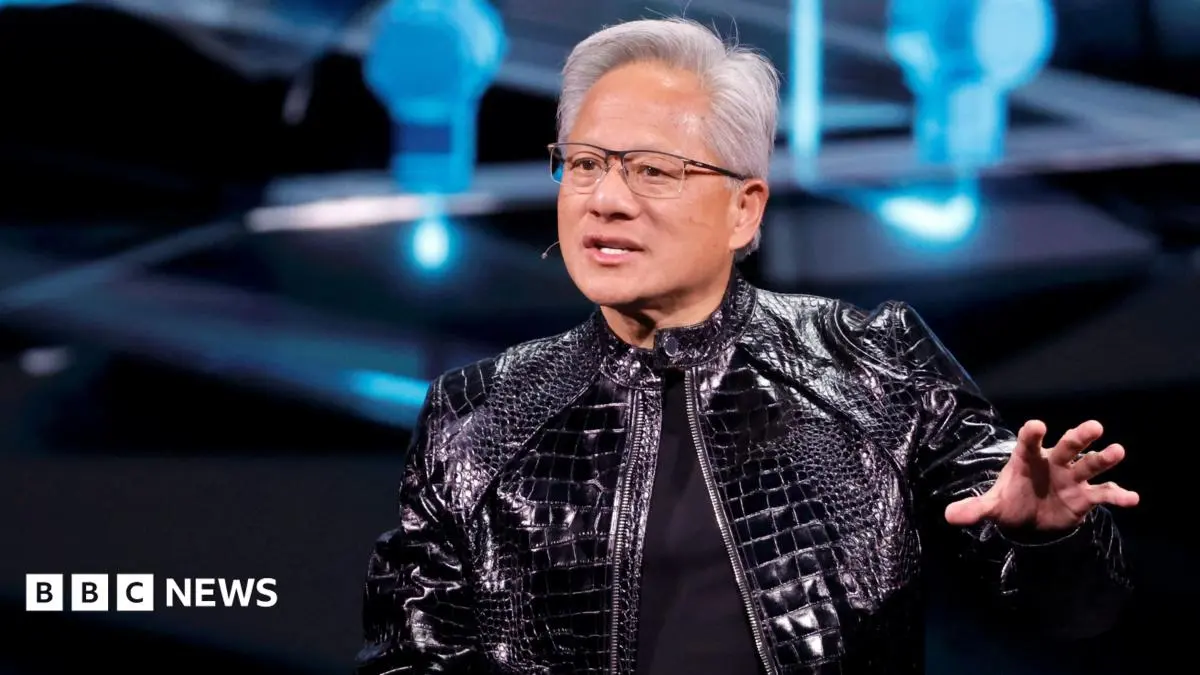
Huang draws frequent comparisons to legendary tech pioneers like Steve Jobs. Much like the late Apple founder, Huang possesses a distinct charisma and a reputation for disruptive innovation. While he favors a signature leather jacket over a black turtleneck, his impact on the semiconductor industry has proven equally transformative for the modern digital age.
The rapid advancement of Nvidia’s graphics processing units has placed the firm at the center of a global power struggle. These chips are essential for training large-scale artificial intelligence models, making them a primary focus for government regulators. Huang acknowledges that balancing commercial interests with strict national security mandates is an increasingly difficult task for his leadership team.
Can Innovation Outpace Global Regulatory Hurdles?
The company must now operate within a restrictive framework designed to prevent high-end technology from reaching specific international rivals. These export controls represent a significant hurdle for Nvidia’s expansive market strategy. Huang remains focused on maintaining his company's technological edge while adhering to the evolving legal requirements imposed by various global authorities.
The future of the semiconductor industry rests on whether companies can continue to innovate under intense government scrutiny. Huang’s approach suggests that Nvidia will prioritize maintaining its lead in AI development despite the cooling of international trade relations. The firm’s ability to navigate these diplomatic waters will likely determine the pace of future technological progress.
Industry analysts are watching closely to see how Nvidia adapts its product roadmap to comply with international sanctions. Any shift in strategy could have profound effects on the availability of AI tools worldwide. Ultimately, the company’s path forward remains tied to its capacity to satisfy both market demand and national security concerns.
Frequently Asked Questions
What makes Jensen Huang’s leadership style noteworthy? Observers often compare his charismatic, visionary approach to that of Apple’s Steve Jobs. He is widely recognized for driving innovation within the highly competitive semiconductor sector.
Why is Nvidia’s hardware a matter of national security? Nvidia’s advanced chips are critical components for developing artificial intelligence. Governments fear that unrestricted access to this technology could provide strategic advantages to international adversaries.
How is Nvidia responding to international trade restrictions? The company is working to balance its commercial growth with strict compliance regarding export controls. This requires careful navigation of complex legal frameworks to ensure their technology remains secure.