The Breaking Point for Public Services
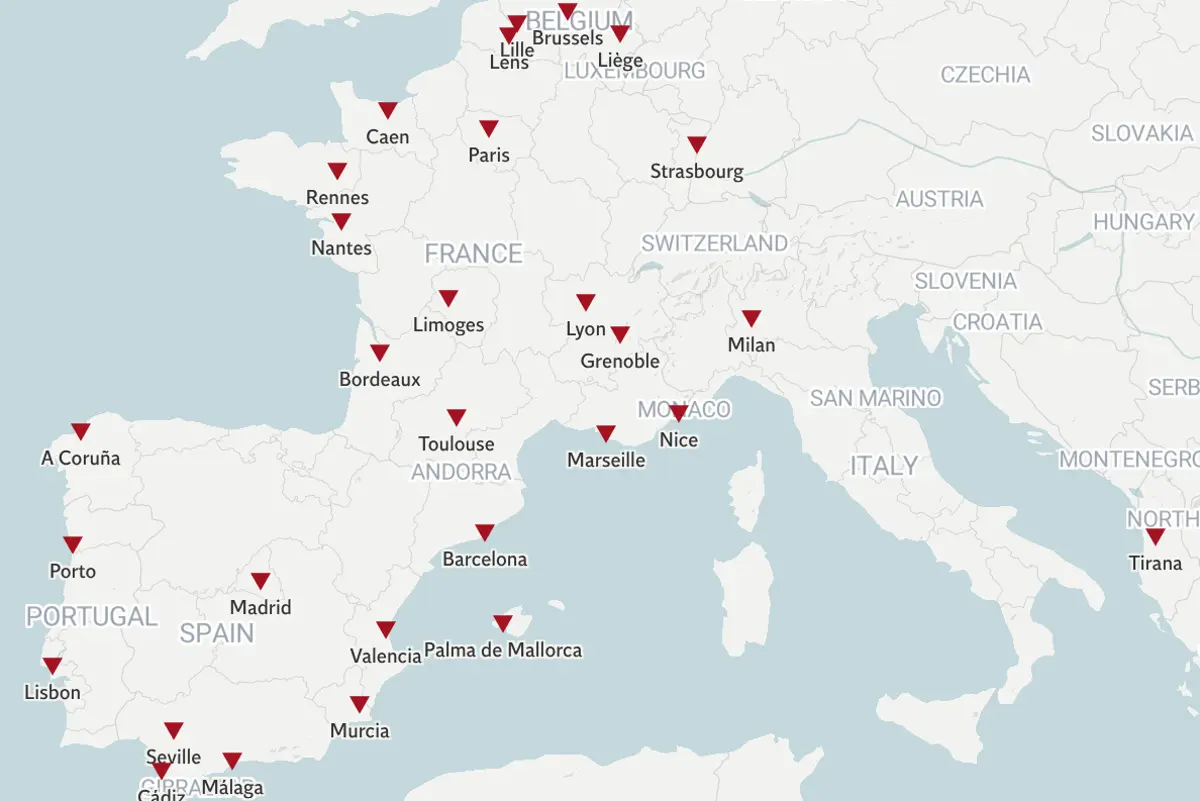
Massive demonstrations erupted across major European hubs this past weekend as citizens voiced deep anger over the escalating cost of living. From Paris to Milan, hundreds of thousands took to the streets to protest stagnant wages, housing shortages, and the rapid decline of essential public services like education and healthcare.
The unrest reflects a growing desperation among working-class families struggling to keep pace with inflation. In France alone, authorities reported that over 550,000 protesters gathered to demand systemic change. While many demonstrations remained peaceful, clashes between police and demonstrators in Paris highlighted the volatile nature of the current social climate.
The core of the frustration lies in the crumbling state of public infrastructure. Protesters argue that governments have failed to address the basic needs of the population while costs for food, energy, and rent continue to climb. Teachers and students have joined the movement, citing overcrowded schools and a lack of resources as evidence of a failing system.
Can Governments Restore Social Stability?
Economic analysts suggest that the situation is reaching a critical threshold. With affordable housing becoming increasingly scarce, many young professionals and families find themselves priced out of urban centers. This demographic shift has fueled the intensity of the protests, turning localized grievances into a continent-wide movement for economic justice.
The persistence of these protests poses a significant challenge for European leaders. Policymakers are under immense pressure to implement relief measures, yet many are constrained by limited budgets and global economic headwinds. Without immediate intervention, experts fear that the cycle of demonstrations and civil disobedience will only intensify in the coming months.
Frequently Asked Questions
The long-term outlook remains uncertain as unions and grassroots organizations threaten further strikes. Governments must now choose between austerity measures or massive public investment to calm the rising tide of public anger. Failure to act could lead to prolonged instability across the region.
What is the primary cause of the current European protests? The unrest is driven by a combination of high inflation, rising costs for basic necessities, and a lack of affordable housing. Citizens are also protesting the perceived neglect of public services like schools and hospitals.
How are authorities responding to the demonstrations? While some protests have remained orderly, others have escalated into violent confrontations with police. Officials are currently balancing the need for public order with the democratic right to demonstrate, though they face mounting pressure to address the underlying economic complaints.