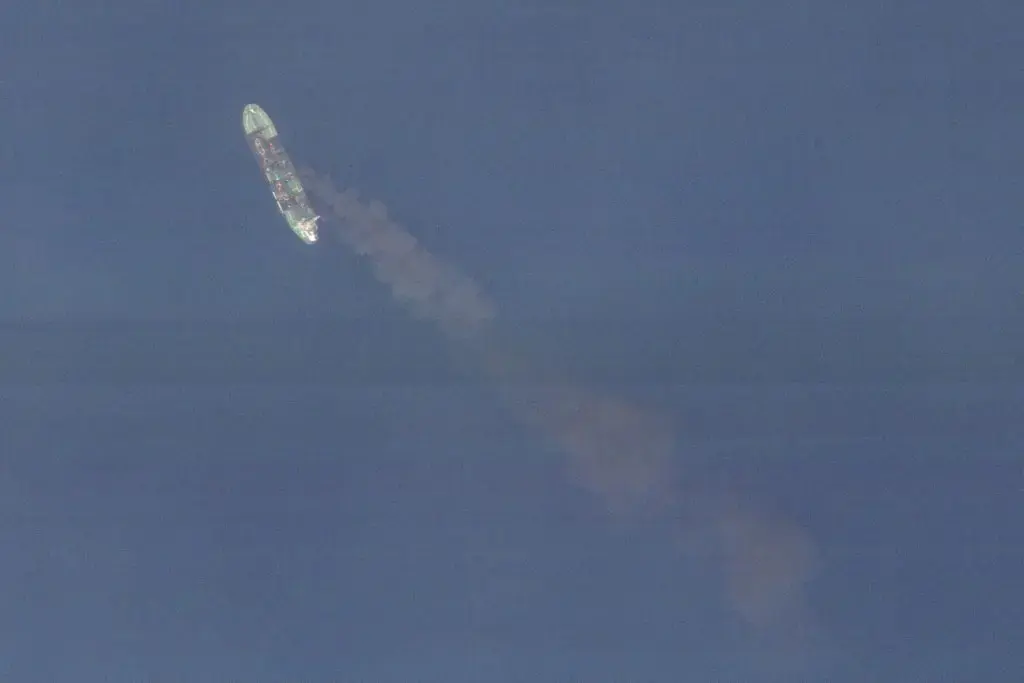
The Strait of Hormuz: A Critical Chokepoint
Global shipping faces growing threats from the ongoing conflicts in Ukraine and the Middle East. The convergence of these crises creates a volatile environment for maritime trade. This situation could severely disrupt the flow of essential goods worldwide.
The blockade of the Strait of Hormuz is a major concern. This vital waterway handles nearly all Middle Eastern oil exports. Any disruption there would have immediate and far-reaching economic consequences.
The Strait of Hormuz is a narrow passage connecting the Persian Gulf to the open ocean. It is one of the world's most important oil transit chokepoints. Roughly 20% of the world's petroleum and other liquids pass through it daily. This makes it a strategic flashpoint in regional conflicts.
How Do These Conflicts Intersect?
Tensions with Iran frequently raise fears about the strait's security. Past incidents have shown how quickly maritime operations can be affected. The potential for a full blockade remains a serious threat to global energy markets.
The war in Ukraine has already impacted Black Sea shipping lanes. Grain and other commodities have faced significant delays and blockades. This has driven up global food prices and created supply chain issues. The Middle East situation adds another layer of complexity.
If both regions experience severe shipping disruptions simultaneously, the global economy could face unprecedented challenges. Energy prices would likely skyrocket. Supply chains for many goods would break down. This dual pressure creates a precarious outlook for international trade.
The interconnectedness of global markets means that regional conflicts have far-reaching effects. Businesses and governments are now grappling with how to mitigate these escalating risks. Diversifying supply routes and energy sources becomes increasingly crucial.
Frequently Asked Questions
What is the significance of the Strait of Hormuz? The Strait of Hormuz is crucial for global energy supply. It is the primary route for oil exports from the Middle East. A significant portion of the world's oil passes through this narrow waterway.
How does the Ukraine war affect global shipping? The conflict in Ukraine has disrupted shipping in the Black Sea. This has impacted agricultural exports and other goods. It has also led to increased shipping costs and insurance premiums.
What are the potential economic consequences of these converging risks? The convergence of these risks could lead to severe economic instability. This includes soaring energy prices, disrupted supply chains, and inflation. Global trade could face significant downturns.