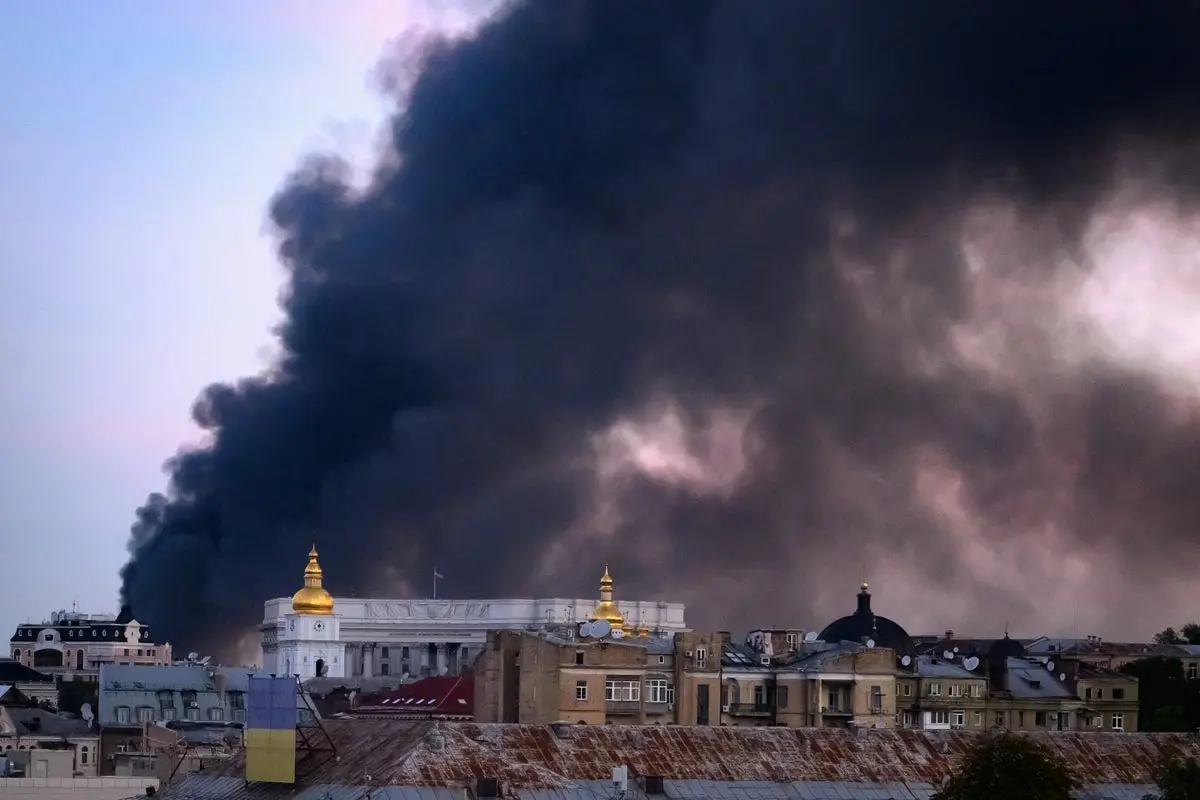
Shifting Trade Routes and Economic Strain
The grinding military conflict between Russia and Ukraine continues to cripple international agricultural markets. Both nations rank among the planet's primary grain suppliers. Over the past year, their combined export volumes have dropped significantly. This ongoing disruption threatens vulnerable populations globally.
The prolonged hostilities disrupt critical shipping lanes across the Black Sea basin. Both domestic economies suffer immense strain as vital trade routes remain effectively paralyzed. Developing regions that rely heavily on these affordable food imports face severe supply shortages and rising prices.
For over four years, fighting has devastated agricultural production and transport infrastructure in the region. Farmers face constant dangers while tending and harvesting their fields. Blockades and security risks prevent cargo vessels from safely navigating regional waters.
Can Global Food Networks Adapt?
International markets absorb the shockwaves of this prolonged stalemate. Food security advocates warn that vulnerable populations bear the heaviest burden of these delays. The financial toll on local farming sectors grows heavier with each passing month.
Finding alternative shipping corridors proves difficult and expensive for regional producers. Land routes lack the massive capacity required to replace traditional maritime pathways. Consequently, international food prices remain volatile as uncertainty persists across the conflict zone.
The deadlock shows no signs of easing in the near future. Without a major diplomatic breakthrough, agricultural exports will likely remain severely depressed. Global consumers will continue feeling the financial strain of this protracted geopolitical crisis.
Frequently Asked Questions
What caused the sharp decline in grain exports? The prolonged military conflict between Russia and Ukraine has severely disrupted agricultural production and blocked vital shipping lanes across the Black Sea.
Which regions are most affected by these trade disruptions? Developing nations that depend heavily on affordable grain imports from these two major suppliers face the greatest risk of food shortages and high costs.
How long have these export restrictions lasted? The disruption has persisted for more than four years as the military deadlock continues to impact regional economies and global markets.