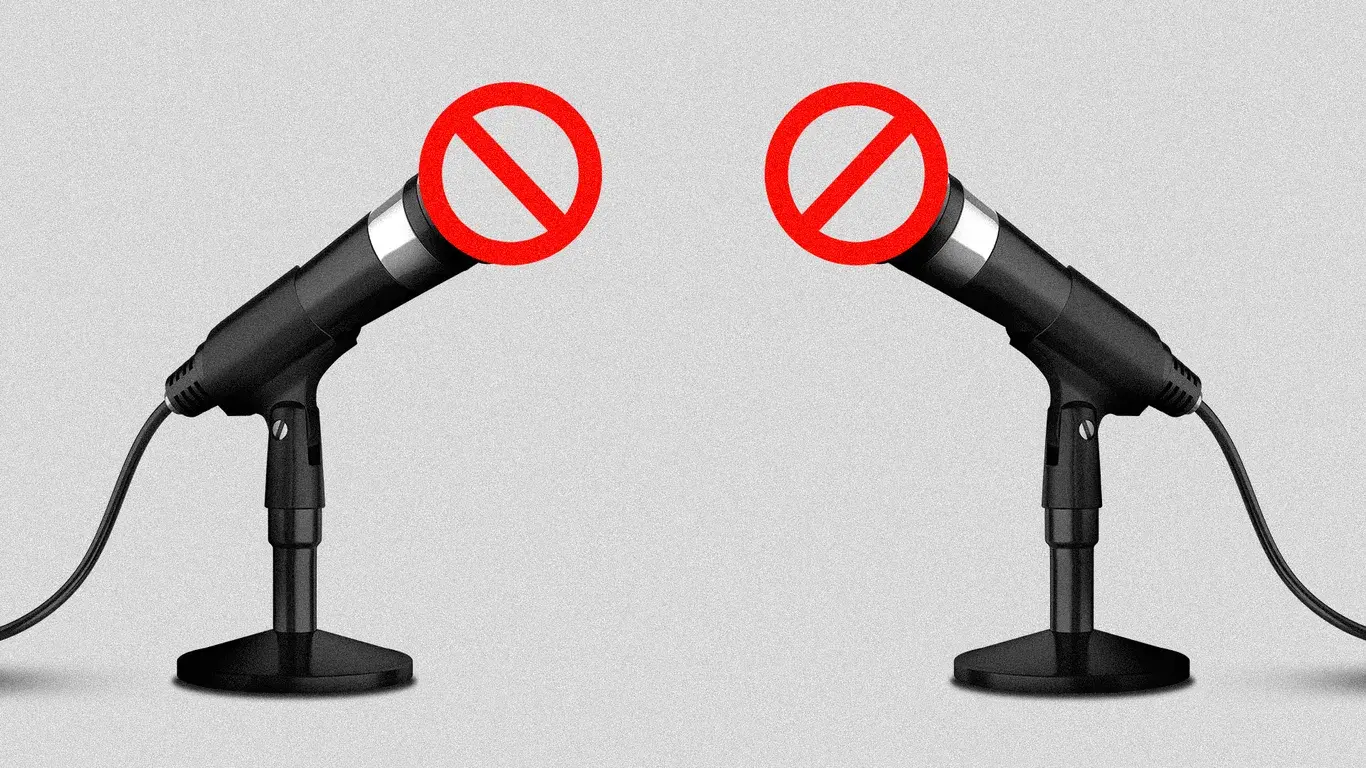
The Strategy of Calculated Avoidance
Political debates, once a cornerstone of democratic campaigns, are rapidly becoming a relic of the past. Candidates increasingly treat these face-to-face encounters as optional events or dangerous liabilities. In a cycle defined by record-breaking advertising budgets, top contenders are choosing to avoid direct scrutiny rather than engaging their opponents on stage.
Modern campaigns prioritize control over spontaneous interaction. Strategists now view the traditional debate format as a risk that could derail a carefully crafted narrative. Instead of testing their ideas in public forums, candidates rely on massive television and digital ad buys to shape voter perceptions from a safe distance.
This shift marks a significant departure from historical norms where public confrontation was expected. By skipping debates, candidates shield themselves from unpredictable questions and potential gaffes. They prefer to communicate through curated media appearances and targeted commercials that highlight their strengths while attacking their rivals without the possibility of an immediate rebuttal.
Is Direct Discourse Becoming Obsolete?
The reliance on expensive contrast advertising has fundamentally altered the campaign landscape. With millions of dollars fueling negative messaging, the candidates themselves are becoming less visible to the electorate. This trend leaves voters with fewer opportunities to evaluate how their potential representatives handle pressure or respond to direct challenges from their peers.
The decline of the debate stage suggests a broader trend toward sanitized political communication. When candidates refuse to share the stage, they effectively bypass the traditional vetting process that voters once relied upon. This withdrawal creates a vacuum where misinformation can thrive, as the lack of direct debate prevents immediate fact-checking and clarification.
Frequently Asked Questions
As this pattern continues, the public may lose its most reliable tool for assessing candidate temperament and policy depth. Future elections could see even fewer opportunities for voters to see rivals side-by-side. If face-to-face accountability disappears, the democratic process risks becoming a series of disconnected, one-sided broadcasts rather than a genuine contest of ideas.
Why are candidates avoiding debates more often? Candidates fear that debates present unnecessary risks to their carefully managed campaigns. They prefer to use controlled advertising to reach voters instead of facing unpredictable questioning.
Does the lack of debates affect the quality of elections? Yes, it reduces the ability of voters to compare candidates directly. Without live interaction, it is harder to judge how a candidate performs under pressure or responds to criticism.