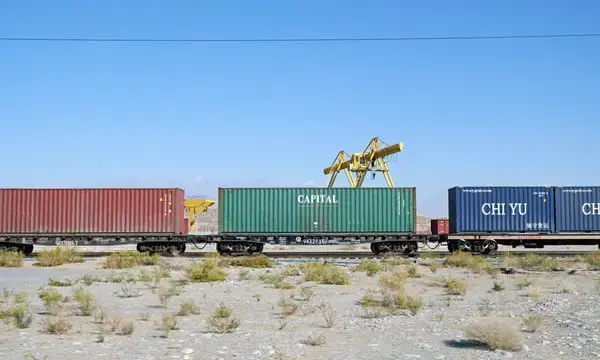
Reviving a Historic Pathway
A centuries-old trade route is gaining new attention as global maritime trade faces disruptions. The Middle Corridor, a land-based route, is seeing renewed interest. It connects China to Europe through Central Asia and Turkey. This revival is driven by recent geopolitical shocks.
The Middle Corridor, also known as the Trans-Caspian International Transport Route, has been around for centuries. It was once a vital link between East and West. However, it lost significance with the rise of maritime trade. Now, with global events disrupting sea routes, the corridor is being reevaluated.
Can the Middle Corridor Replace Maritime Trade?
The route spans over 6,500 kilometers, passing through China, Kazakhstan, Azerbaijan, Georgia, and Turkey. It allows for faster transportation of goods compared to traditional sea routes. The corridor's revival is driven by the need for diversification and reduced reliance on maritime trade.
Recent geopolitical tensions have highlighted the vulnerability of global supply chains. The Middle Corridor offers a viable alternative. Countries along the route are investing in infrastructure to facilitate trade. This includes upgrades to rail networks, roads, and ports.
While the Middle Corridor is gaining traction, it still faces significant challenges. Infrastructure limitations and bureaucratic hurdles need to be addressed. However, with continued investment and cooperation among countries, the corridor has the potential to become a major trade route.
Frequently Asked Questions
The revival of the Middle Corridor has significant implications for global trade. It could reduce reliance on maritime routes and provide a more diversified supply chain. As the route continues to develop, it is likely to play an increasingly important role in international trade.
What is the Middle Corridor? The Middle Corridor is a land-based trade route connecting China to Europe through Central Asia and Turkey. How long is the Middle Corridor? The route spans over 6,500 kilometers. What are the benefits of the Middle Corridor? It allows for faster transportation of goods and reduces reliance on maritime trade.