Targeting Global Industrial Subsidies
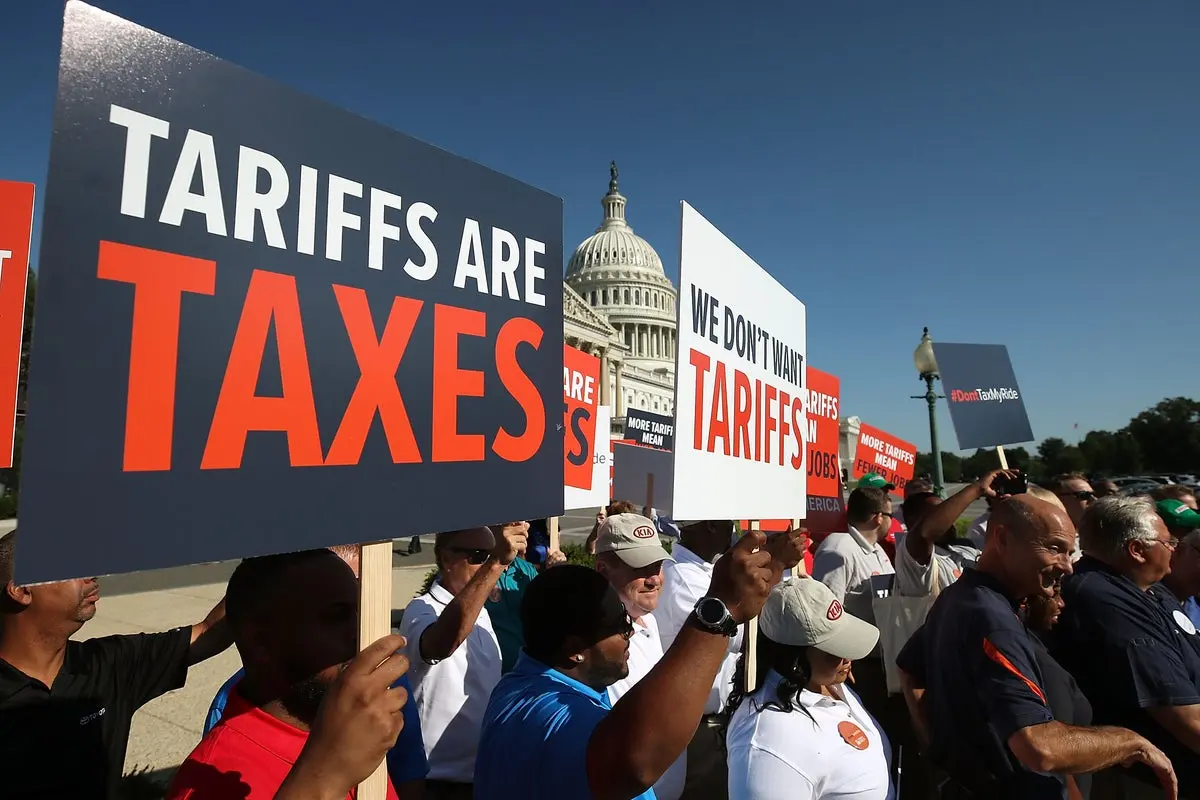
The incoming Trump administration is preparing to impose significant new tariffs on China, the European Union, and 14 other key trading partners. Sources familiar with the internal discussions indicate that an official announcement is imminent. This move follows a comprehensive, months-long investigation by the U. S. Trade Representative’s Office regarding industrial subsidies.
The upcoming policy shift targets 16 different economies identified during the federal probe. Officials are finalizing the details of these trade barriers, which aim to address long-standing grievances regarding international market competition. By targeting industrial subsidies, the administration intends to protect domestic manufacturing sectors from what it deems unfair foreign practices.
The investigation focused on how foreign governments support their local industries through financial incentives. U. S. officials argue these subsidies create an uneven playing field for American businesses. By imposing these levies, the White House seeks to force a change in how these 16 nations support their strategic sectors.
Will These Measures Trigger a Global Trade War?
The scope of this action is notably broad, encompassing major economic powers and smaller trading partners alike. Trade experts suggest this strategy marks a return to an aggressive protectionist stance. The administration believes that direct financial pressure remains the most effective tool to secure better terms for American workers.
International markets are bracing for the potential fallout of these tariffs. Many analysts warn that affected nations will likely respond with their own retaliatory measures. This cycle of escalation could disrupt global supply chains and increase costs for consumers across the United States.
The administration maintains that these risks are necessary to achieve long-term economic independence. Whether these tariffs lead to negotiated settlements or a prolonged period of trade instability remains the central question for global investors. The coming weeks will clarify the exact scale of the new duties and the reaction from international capitals.
Frequently Asked Questions
Which countries are affected by the new tariff plans? The policy targets China, the European Union, and 14 other specific economies. These nations were identified during a federal investigation into industrial subsidies.
Why is the administration implementing these new trade barriers? The government aims to counter foreign subsidies that it claims disadvantage American industries. Officials hope the tariffs will create a more equitable environment for domestic manufacturers.
What are the potential risks of this trade strategy? Economists warn that these tariffs could trigger retaliatory actions from global partners. This could lead to increased prices for U. S. consumers and widespread supply chain disruptions.