Transport and Fuel Drive Price Hikes
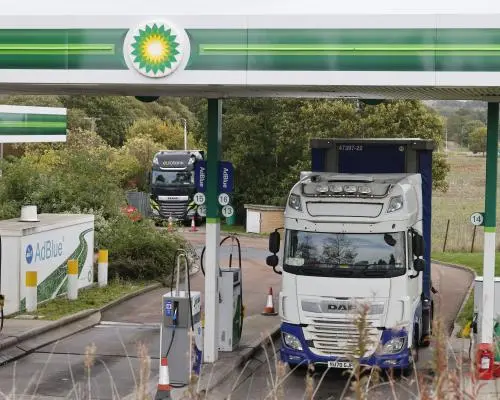
The transport sector acted as the primary catalyst for October’s inflation spike. Transport costs rose by 7.5% annually, compared to 6.6% in September. Average petrol prices jumped by 5.2 pence per litre, while diesel rose by 7 pence per litre. These increases exceeded the growth rates seen during the same period last year. Conversely, the hospitality and restaurant sectors exerted downward pressure on prices, partially offsetting these gains.
Food Price Relief
Food inflation slowed to just 0.9%, the lowest rate since September 2021, down from 1.3% in September. Notably, chocolate prices fell by 2.9%, reversing a previous 0.4% increase. Although cocoa prices have been volatile since 2021, current market levels are lower than last year, allowing for increased retail discounts. Meanwhile, factory-gate prices rose to 5.1% annually, up from 4.7% in September, signaling ongoing production cost pressures.
Retail Perspectives and Policy
Harvir Dhillon, lead economist at the British Retail Consortium, noted that while headline inflation rose, food inflation hit a five-year low. Clothing and footwear prices entered deflation, alongside seasonal drops in garden furniture costs. Dhillon warned that rising energy and transport expenses could push food inflation toward 2% and headline inflation toward 4% early next year. He suggested that implementing the Milburn report’s proposal—doubling the threshold for National Insurance contributions for employees under 25—would help retailers absorb costs and retain seasonal staff.
Market Reaction and Interest Rates
Financial markets remained calm, as the 3.6% inflation figure was widely anticipated. Core inflation, which excludes volatile energy and food costs, held steady at 2.8%. Services inflation also remained unchanged at 3.7%. Felix Feather, an economist at Aberdeen, noted that the data was less concerning than feared. Given the recent dip in global oil prices, he expects a partial reversal in November. He believes the Bank of England may wait until February to consider further interest rate hikes.
Nvidia Leadership Turmoil
In corporate news, Nvidia confirmed it will not reinstate Jensen Huang as CEO. Chairman Harvey Jones made the announcement during the company’s first quarterly earnings report since Huang’s dismissal. Despite the leadership crisis, Nvidia’s quarterly revenue hit $115.84 billion, doubling year-on-year. Huang was ousted following allegations of improper relationships, including one with a suspected Chinese spy. Nvidia’s market valuation has dropped to $3.7 trillion from a record $6 trillion peak in October, reflecting both executive instability and a broader slowdown in the artificial intelligence sector.