What Triggered the Sudden Shift in Negotiations?
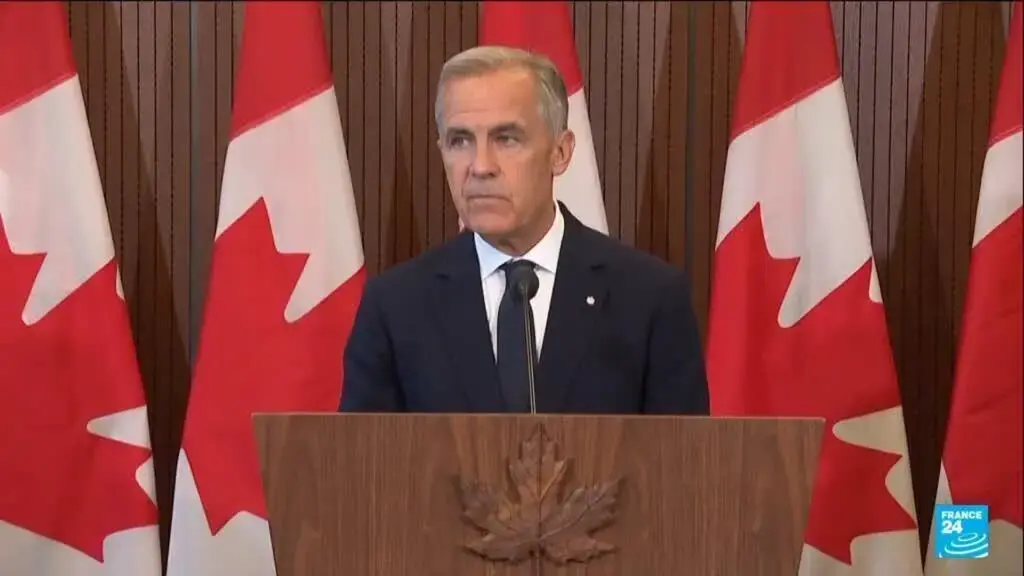
Canada and the United States were nearing a trade agreement early this week when negotiations stalled following a surprise announcement by Canadian official Carney. He declared new retaliatory tariffs on select U. S. goods, citing unfair trade practices. The move has reignited tensions between the two North American partners, just days after talks appeared to be making progress. Markets reacted swiftly, with cross-border trade stocks showing volatility amid fears of a prolonged standoff.
Carney’s decision to impose tariffs came after U. S. officials reportedly refused to concede on key agricultural and automotive demands. Canadian sources say the move was a direct response to perceived intransigence during closed-door talks. The tariffs target products including steel, aluminum, and certain food items, aiming to pressure Washington into revising its stance. Officials in Ottawa insist the measures are temporary and designed to restore balance, not to provoke a full-blown trade war.
How Are Businesses and Consumers Likely to Be Affected?
Industries reliant on cross-border supply chains, particularly in manufacturing and agriculture, are bracing for increased costs and delays. Small exporters warn that even modest tariffs could erode profit margins, especially if sustained over months. Consumers may eventually see higher prices on goods ranging from canned beverages to vehicle parts. Economists caution that while the immediate impact is limited, prolonged uncertainty could deter investment and slow regional growth.
Despite the escalation, both governments have signaled willingness to return to the table. U. S. trade representatives called the Canadian move „disappointing but not irreversible,” while Ottawa emphasized its commitment to resolving differences through dialogue. Analysts suggest a face-saving compromise remains possible, possibly involving phased tariff reductions in exchange for renewed market access concessions. The coming days will test whether cooler heads can prevail amid rising political pressure.
Can Diplomacy Still Prevent a Deeper Rift?
Why did Canada impose retaliatory tariffs now? Canada acted after concluding that U. S. negotiators were unwilling to address longstanding imbalances in agricultural and industrial trade, prompting a need to apply pressure to restart meaningful talks.
Frequently Asked Questions
Which specific products are affected by the new tariffs? The measures apply to U. S. steel, aluminum, and certain processed food items, chosen to target sectors where Canadian producers feel disadvantaged by current trade rules.
Is there a risk this dispute could lead to broader economic harm? While the current scope is limited, experts warn that extended tit-for-tat measures could disrupt supply chains, increase business costs, and undermine confidence in the USMCA framework over time.