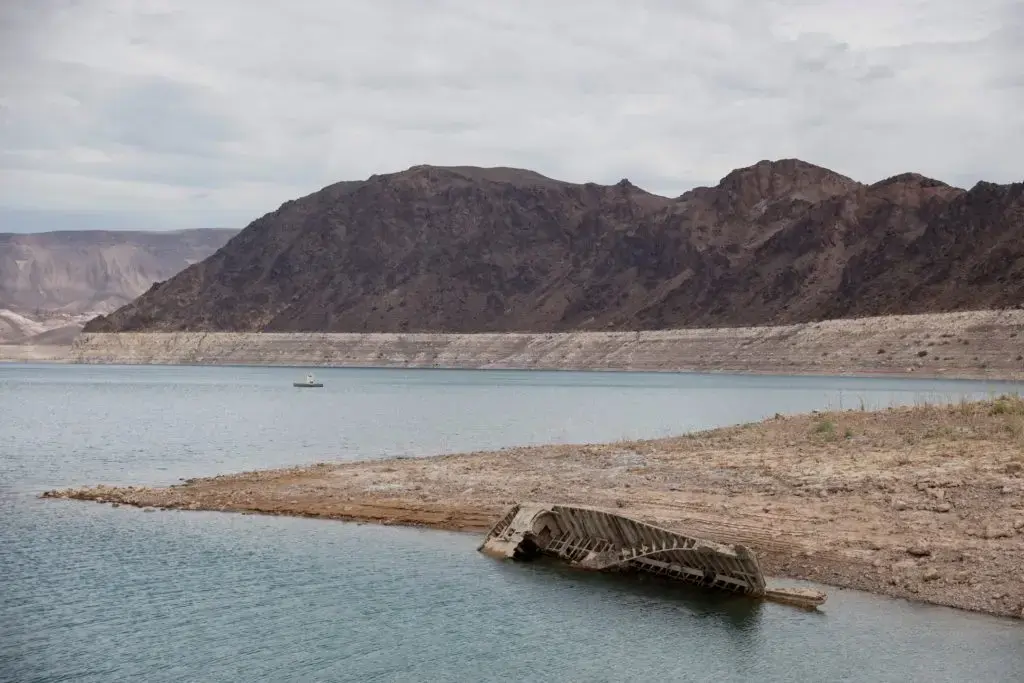
The Shrinking Lifeline of the West
States in the American West are facing further restrictions on water use. This comes as the Colorado River continues to shrink. Years of drought and disputes over water rights have led to this critical point. The region is now preparing for significant new cutbacks.
The Colorado River is a vital water source for millions of people. It supports agriculture, industry, and daily life across several states. Its declining levels pose a serious threat to the entire ecosystem and economy. This ongoing crisis demands immediate and difficult decisions from policymakers.
The persistent drought has severely impacted the river's flow. Reservoirs like Lake Mead and Lake Powell are at historic lows. This reduction in water supply directly affects the allocations for various states. Farmers, cities, and Native American tribes all rely on these allocations. The current situation necessitates a re-evaluation of long-standing water agreements.
What Does This Mean for Water Users?
The impending cuts will likely force stricter conservation measures. Residents may see limits on outdoor watering and other non-essential uses. Agricultural operations, major water consumers, could face reduced irrigation supplies. This could impact crop yields and food prices across the country.
The long-term outlook remains challenging. Climate change models suggest a continuation of drier conditions. This makes sustainable water management more crucial than ever. States must work together to find equitable and effective solutions. The future of the West depends on it.
Frequently Asked Questions
What is causing the Colorado River to shrink? The primary causes are a prolonged drought, exacerbated by climate change, and over-allocation of the river's water supply to various states and users.
Which states are most affected by these water cutbacks? States heavily reliant on the Colorado River, including Arizona, California, Colorado, Nevada, New Mexico, Utah, and Wyoming, are directly impacted by these reductions.
What are the potential consequences of these water cuts? Consequences include stricter water conservation rules for residents, reduced agricultural output due to less irrigation, and potential economic impacts across the affected region.