How Are Governments Responding to the Demonstrations?
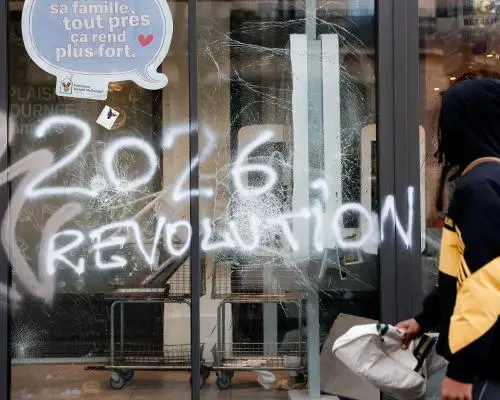
Young people have taken to the streets in Spain, France, and Portugal to demand better school conditions and relief from rising living costs. In France, high school students clashed with police during demonstrations over long school days, teacher shortages, and deteriorating classrooms. Protests have spread as frustration grows over education quality and financial strain on families.
The unrest reflects deeper concerns about underfunded public services and inflation hitting household budgets. Students say they spend excessive hours in poorly maintained buildings with insufficient staff, while families struggle with housing, food, and transport costs. In Portugal and Spain, similar grievances have fueled marches, with youth calling for systemic change rather than temporary fixes. Teachers’ unions have expressed solidarity, citing shared challenges in under-resourced schools.
What Long-Term Changes Are Students Demanding?
Authorities in France have urged dialogue but maintained that reforms require time and funding, pointing to ongoing budget allocations for school renovations. In Spain, regional officials have acknowledged staffing gaps but cited national education policies as limiting immediate action. Portuguese student groups have presented concrete proposals, including reduced class sizes and mental health support, though officials say implementation depends on EU recovery funds. Police have defended their actions in France as necessary to prevent violence, while protest organizers accuse authorities of silencing dissent through force.
Beyond immediate repairs, protesters are calling for a rethink of national education priorities, including teacher recruitment incentives and curriculum updates to reflect modern challenges. They argue that austerity measures have disproportionately affected schools in disadvantaged areas, worsening inequality. Some student leaders suggest linking education funding to inflation rates to ensure real-term growth. While governments emphasize fiscal responsibility, activists warn that neglecting youth concerns risks fueling broader social unrest. The outcome may influence upcoming elections, with education emerging as a key voter issue across the region.
What triggered the protests in France specifically? The protests were sparked by high school students’ objections to extended school days, frequent teacher absences, and unsafe or deteriorating classroom conditions, which they say harm learning and well-being.
Frequently Asked Questions
Are the protests limited to students or do others participate? While led by students, the demonstrations have drawn support from teachers’ unions, parents, and some labor groups who share concerns about public service cuts and rising living expenses.
How have housing costs contributed to the unrest? Rising rents and property prices have increased financial pressure on families, leaving less for education-related expenses and intensifying frustration over stagnant wages and inflation, which protesters link to broader government policy failures.