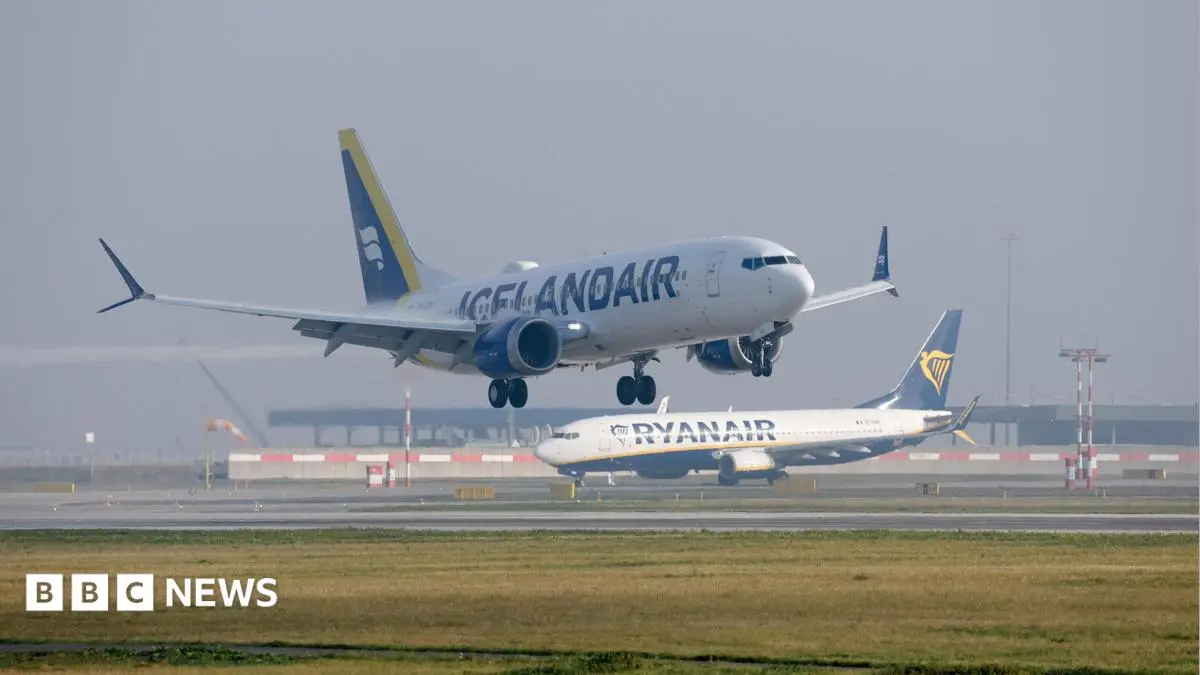
Costly Security Measures Strain Carrier Budgets
In just four days, thirty-two separate bomb threats targeted twelve different airlines. These incidents caused widespread chaos across the aviation sector. Passengers faced significant delays and cancellations. The disruptions created a major headache for carriers. Safety and financial stability are now under serious strain. Airlines must balance immediate security protocols with long-term operational costs. The industry is currently navigating this unprecedented crisis.
The threats arrived through various communication channels. Some originated from phone calls, while others were sent via email. Despite their digital or verbal nature, each incident demanded immediate emergency response. Ground crews had to conduct thorough inspections of aircraft. This process requires extensive time and specialized personnel. Even though every threat proved to be a hoax, the operational impact was real. Airlines could not risk ignoring any potential danger to passenger safety. Consequently, normal schedules were abandoned in favor of rigorous security checks.
The financial burden of responding to these hoaxes is substantial. Every false alarm triggers a cascade of expensive procedures. Fuel is wasted as planes sit on the tarmac. Staff must work overtime to manage the backlog of flights. Compensation for delayed passengers adds another layer of expense. Insurance premiums may also rise due to increased liability risks. For many mid-sized carriers, these costs are particularly damaging. Profit margins are already thin in the current economic climate. The sudden spike in security-related expenditures threatens to erode those margins further. Industry leaders argue that the current response protocols are too slow. They suggest that faster verification methods are needed to reduce downtime. However, safety remains the absolute priority. No airline will compromise on passenger protection to save money. The tension between efficiency and security is at an all-time high.
How Can Carriers Prevent Future Disruptions?
Experts are analyzing the patterns behind these recent threats. The variety of delivery methods complicates detection efforts. Phone-based threats are harder to trace than digital ones. Email threats can be spoofed from anywhere in the world. Authorities are working to improve intelligence sharing between airlines and law enforcement. Better data analysis could help identify suspicious patterns earlier. However, no system is foolproof. The human element remains a critical vulnerability. Airlines are reviewing their internal communication protocols. They aim to streamline the decision-making process for ground staff. Clearer guidelines could reduce the time spent on unnecessary checks. Training programs are being updated to reflect these new challenges. The goal is to maintain high safety standards without paralyzing operations. This balance is difficult to achieve. It requires cooperation from all stakeholders in the aviation ecosystem. Regulatory bodies are closely monitoring the situation. They may issue new guidelines in the coming weeks.
The aviation industry faces a difficult path forward. The recent spate of threats has exposed vulnerabilities in current systems. Financial losses will linger long after the immediate crisis passes. Passengers may remain wary of air travel for some time. Trust in the system must be carefully rebuilt. Airlines will likely invest heavily in better security technology. This investment aims to prevent future disruptions. The industry must adapt quickly to survive. Resilience is key to overcoming this challenge. The coming months will test the sector's ability to recover.
Frequently Asked Questions
How many airlines were affected by the recent threats? Twelve different airlines received bomb threats during the four-day period. A total of thirty-two separate incidents were reported.
What methods were used to deliver the threats? The threats arrived via both phone calls and email messages. Each method required a distinct emergency response protocol.
Were any of the threats real? No, all thirty-two threats turned out to be hoaxes. However, each required full emergency inspection procedures.