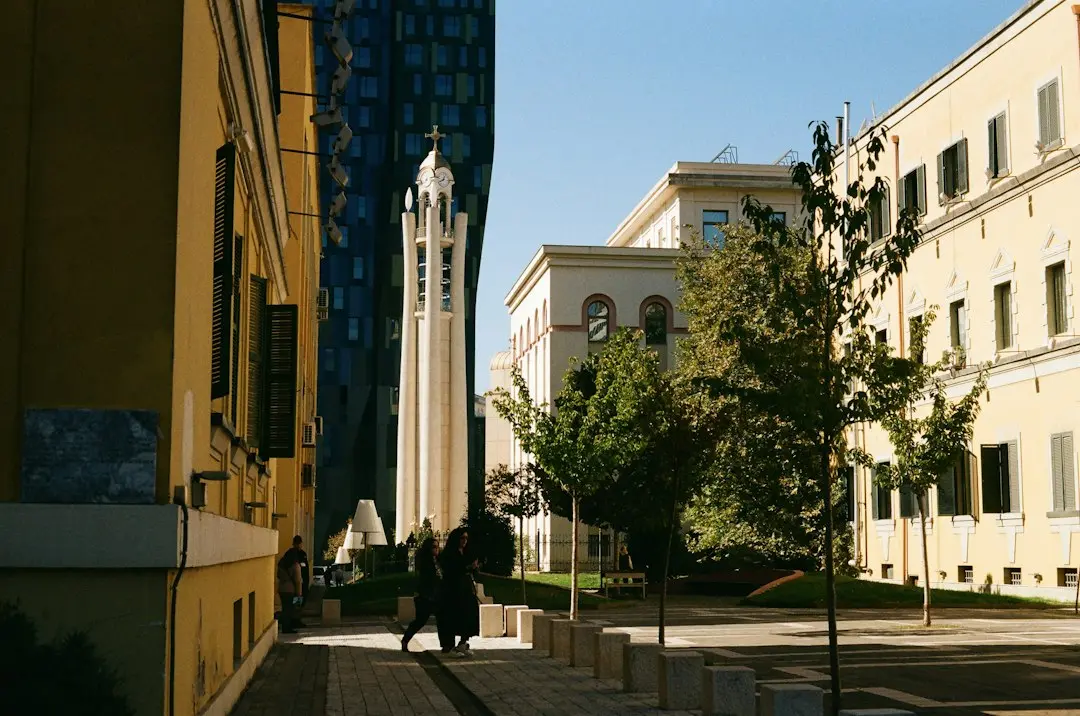
Visible Scars Mark the Ministry Building
Students and university faculty members in Tirana gathered outside the Ministry of Education on Tuesday. They demonstrated continued dissatisfaction following the turbulent events of mid-October. The group demanded accountability and systemic changes within the higher education sector. This latest assembly marks a significant escalation in the broader anti-corruption movement across Albania.
The physical remnants of the October 13 demonstrations remained clearly visible during this new gathering. Broken glass lay scattered near the ministry entrance where windows had been smashed during previous clashes. Dark soot stains still marked the exterior walls, evidence of fires ignited by protesters earlier in the month. These visual scars served as a stark reminder of the intensity and volatility of recent public unrest.
The state of the Ministry of Education building highlighted the ongoing tension between demonstrators and authorities. Police forces attempted to manage the crowd while maintaining order around the site. The juxtaposition of the damaged infrastructure against the renewed presence of students underscored the lack of resolution in the dispute. Faculty members joined the student ranks, signaling a unified front within the academic community. Their presence added weight to the demands for transparency and better governance in educational institutions.
Will Police Tactics Escalate Tensions Further?
The protests originated from widespread frustration over perceived corruption in public institutions. Young Albanians have taken to the streets to voice their grievances effectively. The initial wave of demonstrations in October sparked a national conversation about institutional integrity. Authorities face pressure to address specific complaints regarding hiring practices and budget allocation. The continued damage to public buildings suggests that negotiations have not yet satisfied the primary concerns of the youth demographic.
Law enforcement agencies continue to deploy officers to contain the growing crowds. Critics argue that heavy-handed suppression risks alienating the very citizens seeking reform. The dynamic between police and protesters has become a focal point of media attention. Observers note that each new demonstration tests the limits of governmental patience. The university community remains mobilized, preparing for potential further actions if immediate results do not materialize.
The outlook for the anti-corruption movement depends heavily on the government’s response to these sustained pressures. Diplomatic efforts may soon engage to mediate between the state and the student body. Without tangible concessions, the cycle of protest and reaction is likely to persist. The physical damage to the ministry serves as a constant backdrop to future political discussions. Stakeholders anticipate that the coming weeks will determine whether this movement evolves into a lasting structural shift or fades into routine civic activity.
Frequently Asked Questions
Where did the latest student protests take place? The demonstrations occurred outside the Ministry of Education in Tirana, Albania. Students and faculty members gathered there on Tuesday to express their ongoing discontent.
What physical damage is visible at the protest site? Smashed windows remain unreplaced, and soot from previous fires still blackens the building walls. These remnants date back to the intense protests held on October 13.
Who is participating in these recent demonstrations? Current participants include students and faculty members from the University of Tirana. They have joined forces to support the broader anti-corruption agenda.