The Push for Educational and Political Autonomy
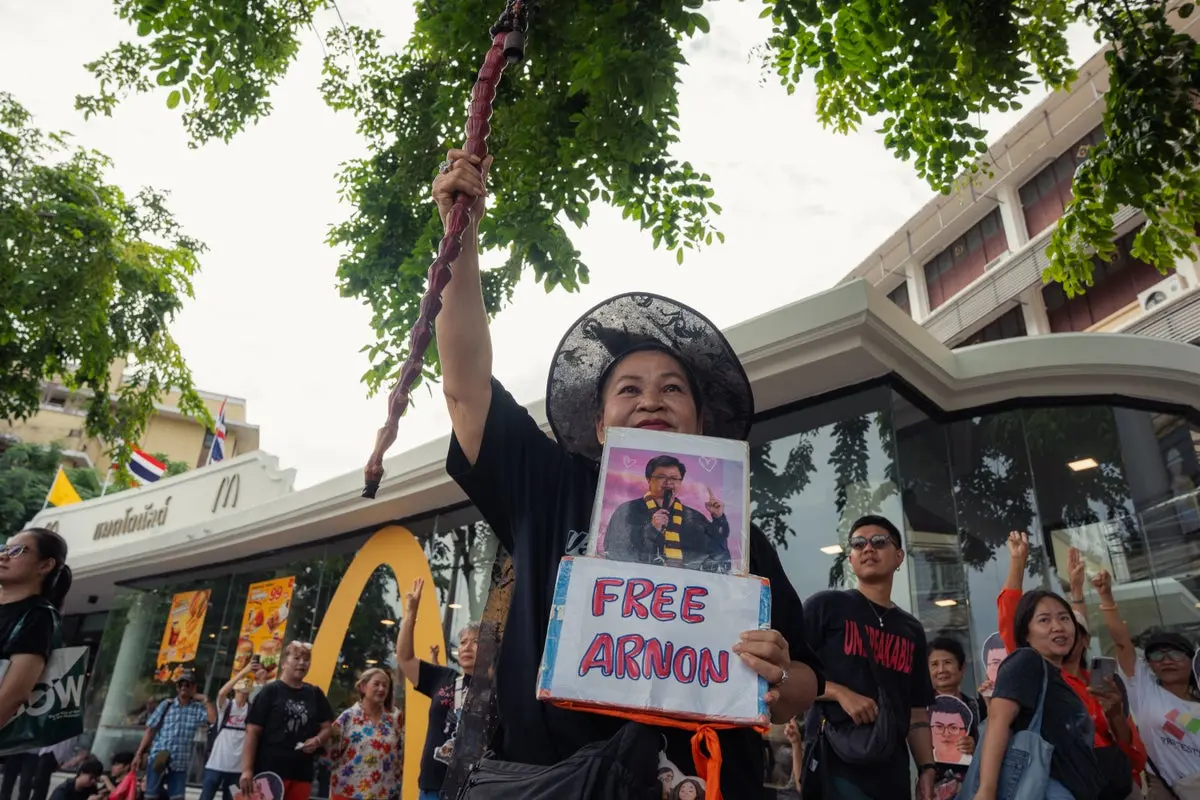
Young activists and students gathered at Bangkok’s Democracy Monument this past Friday to push for systemic change. Marking World Children’s Day, demonstrators demanded comprehensive education reform and a greater voice in national policymaking. Student-led networks, including Free Thai Youth, organized the event to highlight the growing frustration among the region’s younger generation.
The protest reflects a broader trend seen from Thailand to India, where Gen Z activists are increasingly vocal about economic inequality. Many young people feel that traditional political systems ignore their needs and limit their future prospects. By wearing symbolic costumes and organizing public rallies, these groups aim to challenge existing power structures and secure more equitable opportunities for their peers.
Why Are Young People Mobilizing Across Borders?
Participants argue that current curricula are outdated and fail to prepare them for a modern, globalized economy. Beyond the classroom, these movements seek to dismantle hierarchical political systems that often exclude younger voices. Activists believe that meaningful reform requires a seat at the table where national policies are drafted. The movement has gained momentum by utilizing digital networks to organize large-scale demonstrations that bypass traditional media outlets.
The rise of these protests is fueled by a shared sense of disillusionment regarding wealth disparity and limited social mobility. As inflation rises and job markets become more competitive, the younger generation feels the weight of economic instability more acutely than their predecessors. These demonstrations serve as a warning to regional governments that the status quo is no longer sustainable. If policymakers continue to ignore these demands, the frequency and intensity of youth-led unrest are likely to escalate across the continent.
Frequently Asked Questions
What are the primary goals of these youth protests? The protesters are primarily calling for comprehensive education reform and increased participation in government decision-making. They seek to ensure that their voices are heard by policymakers who currently hold power.
Why is the younger generation protesting across multiple countries? Young people across Asia are united by shared concerns regarding economic inequality and limited career opportunities. They feel that existing political systems do not adequately represent their interests or provide a path toward a stable future.