Ecological Collapse in Remote Habitats
A lethal strain of bird flu has swept through the remote South Georgia islands, causing a catastrophic mortality event among native wildlife. First identified in migratory brown skuas during 2023, the virus quickly jumped to southern elephant seals. This rapid transmission has left conservationists fearing a potential wave of mass extinctions.
The outbreak began when infected seabirds arrived at their sub-Antarctic breeding grounds. The virus soon overwhelmed local elephant seal colonies. Observers reported mothers and their newborn pups suffering from severe respiratory distress, tremors, and extreme weakness. The speed of the contagion suggests the virus is highly adaptable and deadly to diverse species.
The IUCN is currently evaluating the impact of this outbreak as it updates its Red List of Threatened Species. Scientists are concerned that the virus could decimate isolated populations that lack prior immunity. Because these animals congregate in dense colonies to breed, the pathogen spreads with terrifying efficiency.
Can Fragile Ecosystems Withstand the Viral Surge?
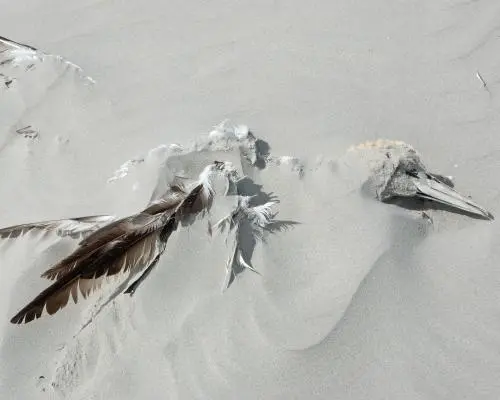
Marine biologists note that the loss of these apex predators could destabilize the entire regional food web. The sight of thousands of carcasses washing ashore has alarmed researchers monitoring the region. Efforts to track the virus are complicated by the harsh, inaccessible nature of the sub-Antarctic terrain.
The long-term survival of several unique species now hangs in the balance. If the virus continues to mutate and spread, it could permanently alter the biodiversity of the Southern Ocean. Conservationists are calling for increased surveillance to understand how the disease moves between avian and mammalian populations.
Without intervention or natural resistance, the cumulative death toll may reach unprecedented levels. The global community remains on high alert as the virus continues its southward expansion. Protecting these vulnerable habitats is now a top priority for international wildlife organizations.
Frequently Asked Questions
How does the virus spread between species? The virus is primarily transmitted through direct contact with infected animals or contaminated environments. In dense colonies, the proximity of seals and birds facilitates rapid viral shedding and infection.
Why are these specific islands so vulnerable? These sub-Antarctic islands host dense, isolated populations with little exposure to global pathogens. This lack of prior immunity makes them highly susceptible to rapid, large-scale outbreaks.
What is the current status of the affected species? Conservationists are currently assessing the total mortality rates to update global threat assessments. Experts fear that if the virus persists, several local populations could face significant population declines.