Rising Costs and Unreliable Power Strain Production
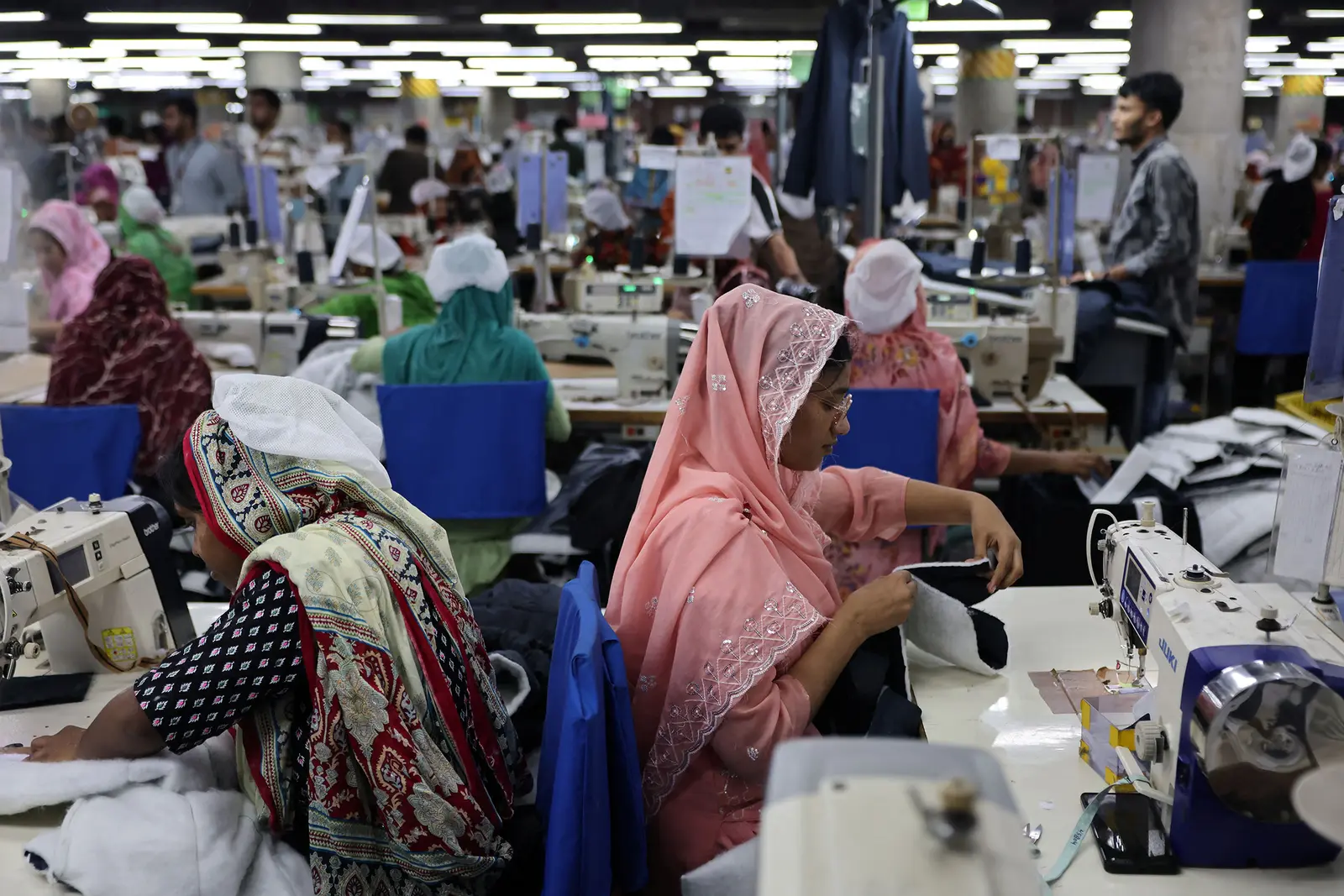
At 11 a.m. in Ha-Meem Group’s Ashulia factory outside Dhaka, sewing machines hum nonstop as workers race to meet export deadlines. The facility, like thousands across Bangladesh, churns out clothing for major Western brands while facing soaring energy costs and frequent power cuts.
Factory floors buzz with activity despite rolling blackouts that force managers to rely on expensive diesel generators. Electricity prices have jumped nearly 30% this year, squeezing profit margins already thin from competitive global pricing. Many plant owners say they cannot pass costs onto buyers without losing contracts.
„We're caught between rising utility bills and fixed purchase orders,”said one factory manager who asked not to be named. „Every kilowatt-hour wasted means money lost.” Can Factories Maintain Output Without Breaking?
Industry data shows Bangladesh’s garment sector employs over 4 million people and accounts for 84% of total exports. But energy disruptions threaten that dominance. In August alone, state-run power providers recorded 1,200 hours of unscheduled outages nationwide.
Some companies are investing in solar panels and battery storage, though upfront costs remain high. Others lobby the government for subsidies or tax breaks to offset fuel expenses.
The ripple effect reaches beyond factory gates. Suppliers of yarn, dye, and packaging materials also struggle as energy-driven inflation raises input costs across the supply chain.
Frequently Asked Questions
Looking ahead, analysts warn that if global energy markets stay volatile, Bangladesh risks losing its position as a low-cost manufacturing hub. Competitors in Vietnam and India may attract orders if local producers cannot guarantee consistent delivery timelines.
For now, factory lights stay on—fueled by diesel, solar, or sheer determination—as workers continue stitching garments destined for store shelves thousands of miles away.
How is the energy crisis affecting daily operations? Factories use diesel generators during blackouts, increasing production costs by up to 40%. Managers report cutting shifts or overtime to manage expenses.
Are there government measures to help? Authorities have announced limited subsidies for export-oriented industries but stopped short of broad relief packages. Many factory owners say support remains insufficient.
What long-term changes are being considered? Several large producers are exploring renewable energy projects, including rooftop solar installations. However, smaller suppliers lack capital for such upgrades.