A Symbolic Warning or a Clever Prank?
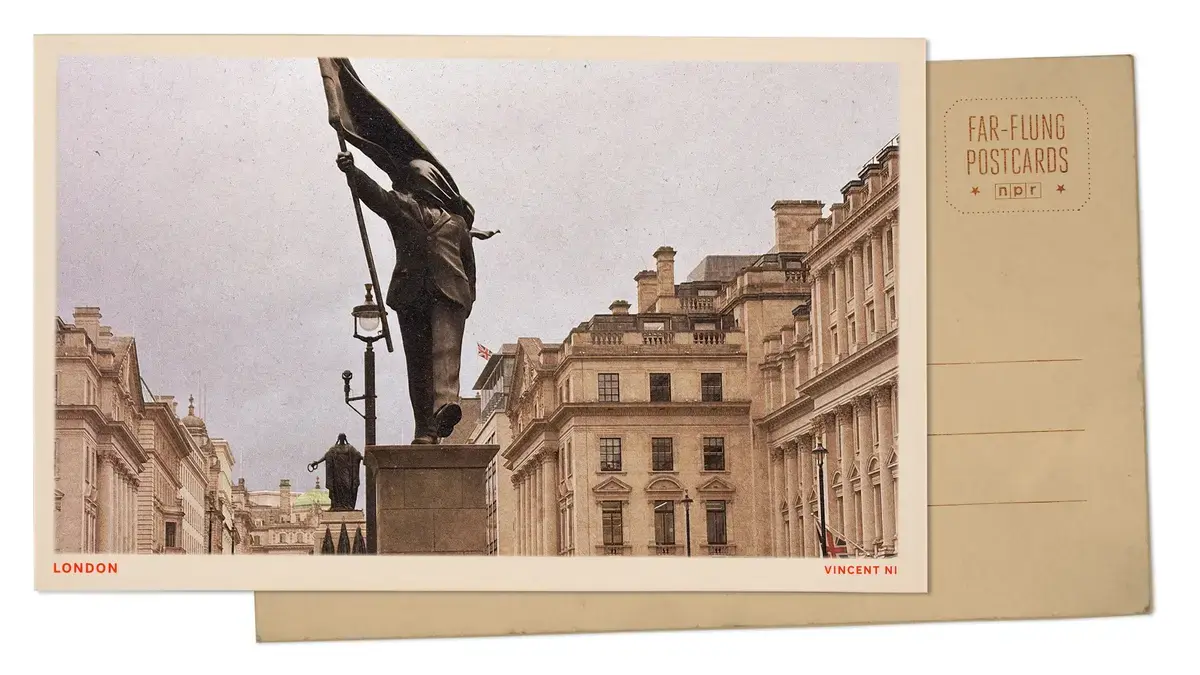
A life‑size sculpture resembling a lone figure clutching a tattered flag appeared overnight in Waterloo Place, central London, in late April. The work, instantly linked to the elusive street artist Banksy, prompted swift action from the city, which erected barriers and posted notices within days of its emergence.
The anonymous installation has drawn crowds and controversy alike. Police and local officials cordoned off the area to protect the piece from vandalism, while art critics debate its authenticity and message. Some observers see the flag‑bearing figure as a stark warning about rising social tensions, echoing themes common in Banksy’s previous murals. Others argue the work is a clever hoax designed to test public reaction to street art in a formal setting.
The statue’s design mirrors a recurring Banksy motif: a solitary figure holding a flag that appears to flutter in reverse, as if blowing against the wind. Residents report that the flag’s motion seems to push the figure backward, creating an unsettling visual that suggests retreat rather than progress. „It feels like a mirror held up to our city,” said local historian Amelia Clarke. „The reversed flag could be a comment on how we ignore warning signs in our own society.” The piece’s sudden appearance has sparked debates on whether it was commissioned by a gallery, placed by activists, or truly the work of the elusive artist himself.
Who Is Behind the Flag Man, and What Does It Mean for London’s Public Spaces?
Authorities have not identified the creator, and no claim of authorship has surfaced. The Metropolitan Police confirmed that the sculpture was not part of any authorized public art program. Meanwhile, the Mayor’s office expressed concern over the unauthorized installation, noting that unregulated artworks can pose safety risks and disrupt traffic flow. „We respect artistic expression, but public safety must come first,” a spokesperson said. The controversy has reignited discussions about how cities should manage spontaneous art installations, especially those that attract large audiences.
The flag figure’s presence has already left a mark on the city’s cultural landscape. Tourists and locals alike flock to Waterloo Place, turning the site into an impromptu gathering spot. Officials are now weighing whether to preserve the sculpture as a temporary exhibit or remove it to restore the plaza’s original layout. The outcome could set a precedent for handling future unsolicited artworks in London’s historic districts.
Frequently Asked Questions
Is the statue officially recognized as a Banksy work? No official confirmation exists. Neither Banksy’s official channels nor his representatives have claimed the piece, and its style alone does not prove authorship.
Why did the flag appear to blow backward? The reversed motion is likely intentional, designed to evoke a sense of regression or warning, aligning with themes of societal critique often found in street art.
Will the sculpture remain on display? City officials are still deciding. They may keep it temporarily for public interest, but safety concerns could lead to its removal.