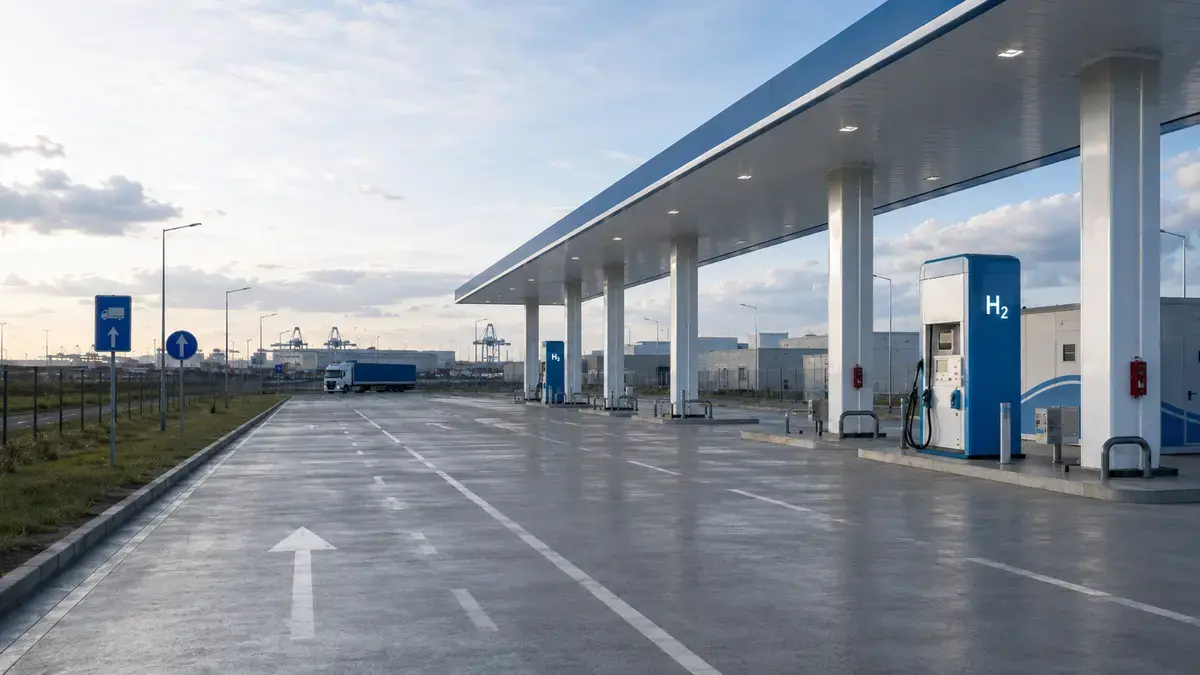
Is Belgium Overbuilding Hydrogen Infrastructure?
Belgium continues to announce new hydrogen refueling stations. However, actual hydrogen usage remains low. The focus should shift from station numbers to kilograms of hydrogen actually dispensed to vehicles. This is crucial for evaluating progress.
Recent announcements highlight station capacity, not actual demand. Simply building stations isn't enough. Measuring kilograms of hydrogen used daily provides a clearer picture of viability. Without consistent usage, these stations risk becoming expensive, underutilized infrastructure. The country is investing heavily, but needs to demonstrate real-world impact.
The problem isn't necessarily a lack of stations, but a lack of hydrogen-powered vehicles on the road. Belgium has been proactive in building out the infrastructure. However, the demand to justify these stations hasn’t materialized at the same rate. This creates a significant imbalance.
What’s Driving the Low Hydrogen Consumption?
Currently, the amount of hydrogen dispensed per day is a key metric missing from public discussions. Knowing how much hydrogen is actually being used will reveal if the investments are paying off. It will also show whether the infrastructure is meeting a genuine need. The focus on capacity alone is misleading. It doesn’t reflect actual operational performance.
Several factors contribute to the low hydrogen consumption. The high cost of hydrogen fuel cell vehicles is a major barrier. These vehicles are significantly more expensive than comparable gasoline or electric cars. Limited vehicle availability also plays a role. Consumers have few options when considering a hydrogen-powered vehicle.
Furthermore, range anxiety remains a concern. The limited number of refueling stations makes long journeys challenging. Potential buyers worry about finding a place to refuel. This is a common issue with alternative fuels, but particularly acute with hydrogen due to the sparse network. Addressing these issues is vital for wider adoption.
Frequently Asked Questions
The current situation suggests Belgium may be prioritizing infrastructure development over vehicle adoption. This approach could lead to stranded assets. It’s essential to align infrastructure investment with the growing number of hydrogen vehicles. Otherwise, the country risks wasting valuable resources. A shift in focus towards incentivizing vehicle purchases and addressing consumer concerns is necessary.
What is the significance of measuring kilograms of hydrogen dispensed? Tracking kilograms used daily provides a concrete measure of station utilization. It demonstrates actual demand and helps assess the return on investment. This is a more reliable indicator of success than simply counting stations.
Why are hydrogen fuel cell vehicles so expensive? The technology is still relatively new and complex. Fuel cell stacks, hydrogen storage tanks, and specialized components contribute to the high cost. Mass production and technological advancements are needed to lower prices.