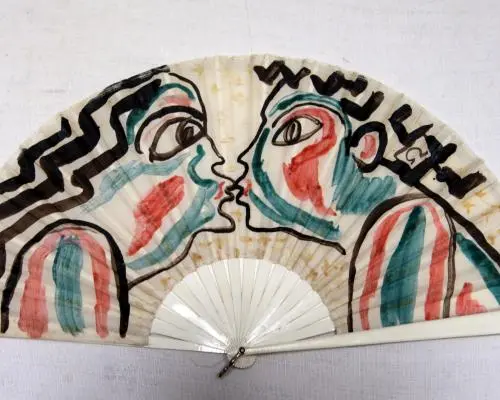
Vanessa Bell & Duncan Grant: Inside Bloomsbury
The Tate Britain exhibition runs from November 12 to April 11. It explores the complex lives of Vanessa Bell and Duncan Grant. The collection offers a more nuanced view of the Bloomsbury Group. However, it fails to fully impress despite their historical importance.
Historical Perception vs. Modern Appreciation
Bloomsbury was once seen as elitist. This often caused feelings of boredom. Today, they are admired for their feminist commitment and queer expression. A West End play details Keynes's affections within the group. Sissinghurst offers a vibrant scene of Vita Sackville-West and Virginia Woolf's romance.
Artistic Merit Over Personal History
Personal history does not equate to artistic value. The Tate Britain tour is vast but unconvincing. Bell and Grant's paintings are often deemed mediocre. Keynes was a future economist. Woolf was an undeniable literary genius. Visual arts interests of Bloomsbury lack lasting public appeal. This was true even when their sexuality was discreetly mentioned.
The Mallory Portrait and Modernism
A legend about a Duncan Grant male nude focuses too much on eroticism. It ignores more significant subject matter. The subject is George Mallory. He was found frozen in 1999 after his 1924 Everest attempt. This suggests the Himalayas exceed Bloomsbury's elegant setting. Ironically, Paris, a modernism symbol, is absent. Grant's 1913 Mallory portrait mimics Georges Seurat, who died in 1891.
British Visual Restraint
Continental Europe birthed revolutionary modernists. Munch, Malevich, Schiele, and Boccioni were geniuses. Britain showed strong visual restraint. Bloomsbury seemed smart only for knowing modern art. It would be honest to show how they discovered this. Bell and Grant did not just observe post-impressionism. They lived these artistic ideas deeply.
Missing Context and Influences
In 1918, Keynes hid a Cezanne fruit painting near their Charleston home. The group appreciated this work. Cezanne's piece is a philosophical achievement. It is not in the exhibition. Picasso's early Cubist works, like „Pots and Lemon”(1911), are also missing. Clive Bell, Vanessa's husband, acquired these. Including them would enrich the context and excitement.
Misleading Categorization
The modernismssection is misleading. Early 20th-century modernism was essentially one current. Grant's 1913 Head of Evewas not absolute originality. It adapted Picasso's fascination with African artists. Bell's Portrait of Molly MacCarthywas not uninfluenced by Picasso's presence. The issue is not ignoring Paris. They seem distant and lack clear passion. They experiment but return to tradition. Grant's 1920s South of France work resembles Victorian art, like Lord Leighton's.
Mutual Cancellation in Partnership
Skill and knowledge do not guarantee greatness. An interesting life does not guarantee it either. Tate Britain should be cautious about a married couple. Their relationship was unique and lifelong. Grant was gay; she married Clive Bell with children. Yet, they do not inspire a shared exhibition. Queer desire, a recurring impulse for Grant, distracts from Bell's quiet observations. Grant shows David Garnett's erotic portrait. Bell shows a melancholic portrait of her sister Woolf.